
Pourthiaea villosa
Pourthiaea villosa
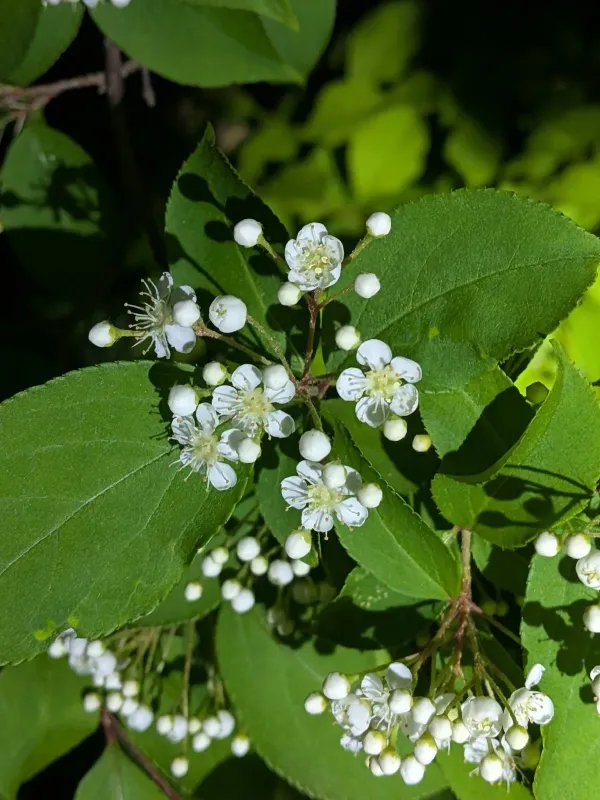
Description
Growing requirements
Pourthiaea villosa is a deciduous shrub or small tree belonging to the Rosaceae family. Native to East Asia, including China, Japan, and Korea, this plant is well-regarded for its adaptability and high ornamental value in diverse gardening styles.
The plant thrives best in positions with full sun to partial shade. Exposure to sunlight is critical to ensure proper flowering and the development of the characteristic red fruit that provides seasonal interest throughout the autumn months.
Regarding soil, it prefers fertile, well-draining loamy soils. While it is somewhat tolerant of different soil types, consistent moisture is beneficial during the establishment phase, provided that the root zone is not permanently waterlogged.
Agricultural management includes routine pruning to maintain the plant's shape and structure. Regular pruning also promotes air circulation through the canopy, which is an essential practice to reduce the incidence of fungal diseases in high-humidity areas.
The plant is extensively used in landscaping, serving as a focal point in shrub borders or as a component of mixed garden hedges. Its ability to provide multi-seasonal interest makes it a versatile choice for modern urban landscaping and private estate planning.
Main diseases and pests
Like many members of the Rosaceae family, Pourthiaea villosa is susceptible to powdery mildew. This fungal disease is often exacerbated by poor air circulation, high humidity, and excessive moisture lingering on the foliage after rain events.
Pests that frequently target the species include aphids and spider mites, which can weaken the plant by feeding on sap. In some regions, leaf-rolling caterpillars may also cause cosmetic damage to the foliage during the peak growing season.
Effective management strategies rely on integrated pest management (IPM) practices. This includes monitoring the health of the plant regularly, ensuring appropriate spacing between plants, and maintaining healthy soil conditions to foster plant vigor.
When chemical intervention is required, selective application of fungicides or insecticides should be timed to avoid harming beneficial pollinators. Always follow the label instructions carefully to minimize the environmental impact of chemical treatments.
Sanitation practices play a major role in disease prevention. Removing fallen leaves and infected twigs at the end of the season reduces the overwintering inoculum of fungi, thereby decreasing the risk of infection in the following year.