
Osteomeles subrotunda
Osteomeles subrotunda
Description
Growing requirements
Osteomeles subrotunda is a charming evergreen or semi-evergreen shrub belonging to the Rosaceae family. Native to East Asia, including Japan and parts of China, it is well-adapted to coastal environments and rocky outcrops.
For successful cultivation, this plant requires well-drained, porous soil that mimics its natural rocky habitat. It is essential to ensure that the soil does not become waterlogged, as the roots are highly susceptible to rot.
The shrub thrives in full sun, which promotes healthy growth and density, although it can tolerate partial shade in warmer climates. It is relatively frost-sensitive and should be placed in a protected spot during extreme cold snaps.
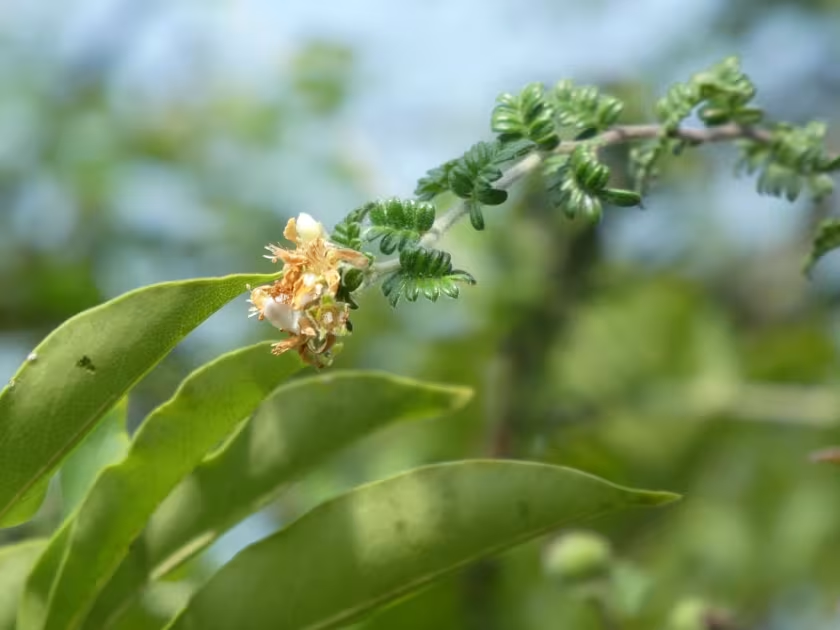
Botanically, it is known for its delicate pinnate leaves and small, white, fragrant flowers arranged in corymbs. The resulting fruit is a small, pome-like berry that adds significant seasonal appeal to the shrub.
In landscaping, it is highly valued for its slow growth rate and fine texture, making it an excellent candidate for formal hedges, rock gardens, or specimen plants in bonsai art where controlled growth is required.
Main diseases and pests
The most common disease affecting Osteomeles subrotunda is powdery mildew, which often occurs during periods of high humidity or in areas with insufficient air circulation.
Pests that frequently target this plant include aphids and scale insects. These pests can weaken the plant by feeding on its sap, particularly during the active spring growth period.
Effective management strategies involve monitoring the underside of leaves for early signs of infestation and applying horticultural oils or systemic insecticides when necessary.
Root rot is a potential threat caused by poor soil drainage; therefore, ensuring optimal planting conditions is the primary preventive measure against soil-borne pathogens.
Regular maintenance, such as pruning dead or overcrowded branches, is necessary to keep the plant vigorous and to allow for better air movement, reducing the overall risk of disease.