
Osteomeles anthyllidifolia
Osteomeles anthyllidifolia
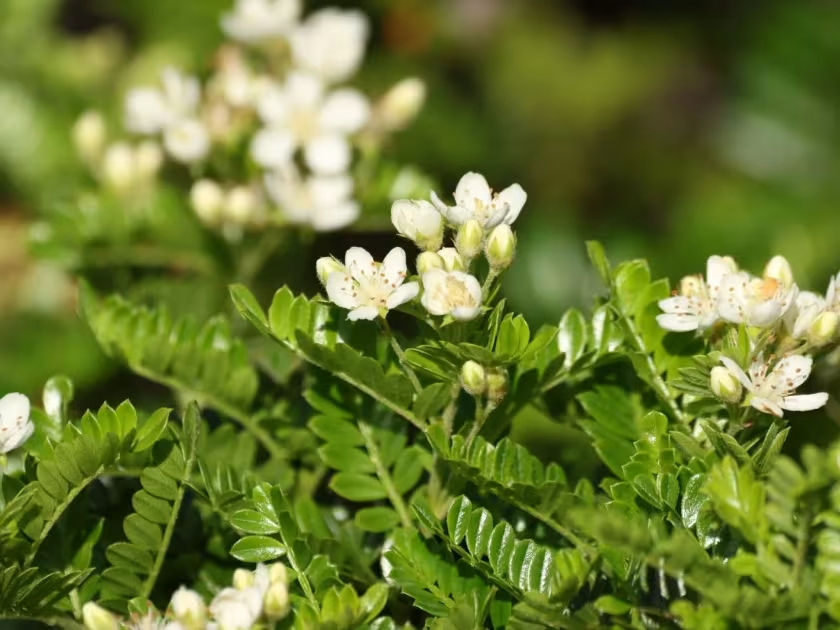
Description
Sowing dates
Propagation of Osteomeles anthyllidifolia is typically achieved through seeds, which require cold stratification to improve germination rates. Seeds should be sown in a well-draining soil mix in late winter.
The optimal germination temperature is between 20°C and 22°C. Keeping the soil consistently moist but not waterlogged is essential for successful seedling development during the early stages.
Cuttings are another viable method for propagation. Semi-hardwood cuttings taken during the summer months demonstrate high rooting potential when treated with a quality rooting hormone.
Transplanting to a permanent location should occur after all risk of frost has passed. Selecting a site with adequate space is necessary to support the plant's long-term root expansion.
Maintaining proper spacing between plants is crucial. A gap of 1.5 to 2 meters is recommended to ensure each plant receives enough sunlight and airflow to thrive throughout the growing season.
Growing requirements
Osteomeles anthyllidifolia belongs to the Rosaceae family and is an evergreen shrub. It is native to the Pacific region, particularly common in the Hawaiian islands, where it thrives in coastal habitats.
The species requires full sun exposure for optimal growth. Insufficient light levels often result in a leggy growth habit and a significant reduction in the density of the foliage.
Climate requirements for this plant are strictly subtropical. It lacks frost tolerance, meaning it must be protected in colder regions during winter months to prevent tissue damage.
Well-drained soil is the most important factor for success. The plant prefers sandy or loamy soils that allow for rapid drainage, as it is highly sensitive to root asphyxiation caused by water accumulation.
Watering should be balanced. While the plant can withstand short periods of drought once established, regular irrigation during dry spells promotes better flowering and overall plant health.
Yield
The primary use of Osteomeles anthyllidifolia is ornamental. Its graceful, fern-like leaves and fragrant white flowers make it a popular choice for rock gardens and hedge formations.
The fruits produced by the shrub are small, edible berries. While they are not a major commercial crop, they are harvested in home gardens for their unique, pleasant flavor in local culinary preparations.
As a garden plant, its yield in terms of foliage density and blooming frequency is highly dependent on regular pruning. The plant responds well to shaping and can be trained for various landscape styles.
In addition to ornamental use, the plant's robust root system makes it suitable for soil stabilization in coastal areas where erosion might be a concern for land managers.
Ongoing research into the species focuses on its resilience to abiotic stressors, aiming to improve its potential for use in sustainable landscaping projects in similar tropical environments.
Main diseases and pests
Powdery mildew is the most frequent disease affecting this shrub. It manifests as a white coating on the leaves, which can be mitigated through fungicide application and improved air circulation.
Root rot represents a severe threat if drainage is inadequate. Ensuring that the soil structure remains airy and free-draining is the best preventive measure against soil-borne pathogens.
Spider mites are common pests that thrive in dry, hot conditions. They feed on plant sap, and frequent monitoring is necessary to prevent significant damage to the plant's photosynthetic tissue.
Aphids can occasionally infest tender new growth, causing leaf curling. Integrated pest management, including the use of soaps or systemic insecticides, can effectively control these populations.
- Conducting annual sanitary pruning to remove deadwood.
- Applying balanced fertilizers to support vigorous development.
- Monitoring for pests during peak spring and summer growth cycles.