
Osteomeles schweriniae
Osteomeles schweriniae
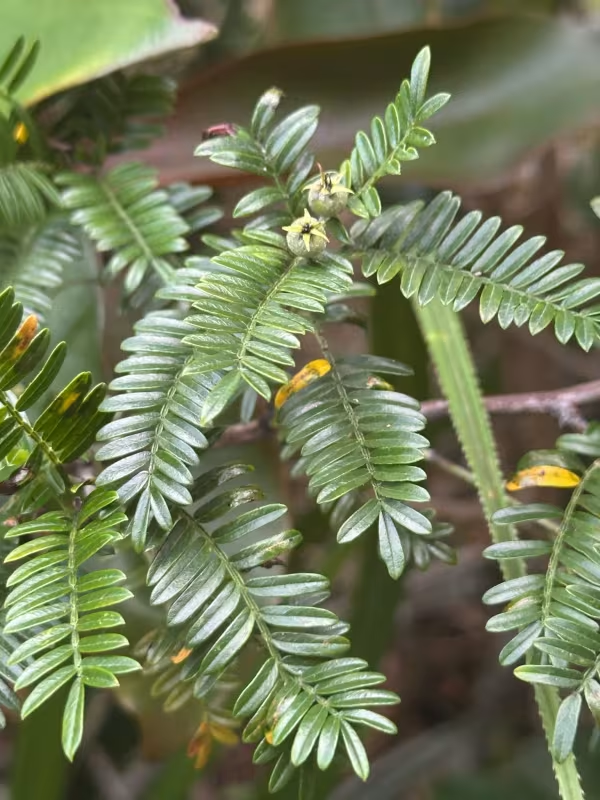
Description
Growing requirements
Osteomeles schweriniae is a distinguished member of the Rosaceae family, known for its elegant foliage and delicate white flowers. Native to the mountain regions of China, this shrub has adapted to growing on rocky terrain and well-drained slopes, making it a unique addition to specialized horticultural collections.
Botanically, the species is characterized by its pinnate, feathery leaves and a graceful, spreading growth habit. During the blooming season, the shrub produces clusters of fragrant flowers, followed by small, ornamental fruits. Because of its slow-growing nature and naturally refined shape, it is highly sought after by bonsai enthusiasts for miniature tree development.
Cultivation of this plant requires specific soil conditions, prioritizing excellent drainage and aeration. It thrives in slightly acidic to neutral soil that mimics the rocky, mineral-rich environments of its origin. Waterlogging must be strictly avoided, as the plant's root system is susceptible to decay if kept in stagnant, wet soil for extended periods.
The climate requirements involve providing a location with ample sunlight to encourage dense branching and healthy leaf development. In colder climates, Osteomeles schweriniae should be treated as a container plant or protected during the winter months, as it is not fully hardy in frost-prone regions. Consistent, moderate watering is key to maintaining vigor throughout the growing season.
In terms of agricultural and horticultural use, this species is primarily valued for its aesthetic appeal in landscaping. It serves as a focal point in rock gardens, alpine displays, and formal garden designs where its delicate architecture can be fully appreciated. While the fruits are biologically edible, they remain a secondary interest compared to the shrub's decorative structural value.
Main diseases and pests
The primary threats to Osteomeles schweriniae involve fungal infections resulting from poor air circulation or high ambient humidity. Powdery mildew and leaf spot diseases are the most common issues that can affect the foliage if the environment does not allow for quick drying of the leaves.
Pest management should focus on common shrub insects such as aphids and scale insects. Regular monitoring is essential to prevent infestations. Using systemic insecticides or organic horticultural soaps at the early stages of a pest outbreak will typically resolve these issues without damaging the sensitive foliage of the plant.