
Paradise apple
Malus pumila L. Mill.
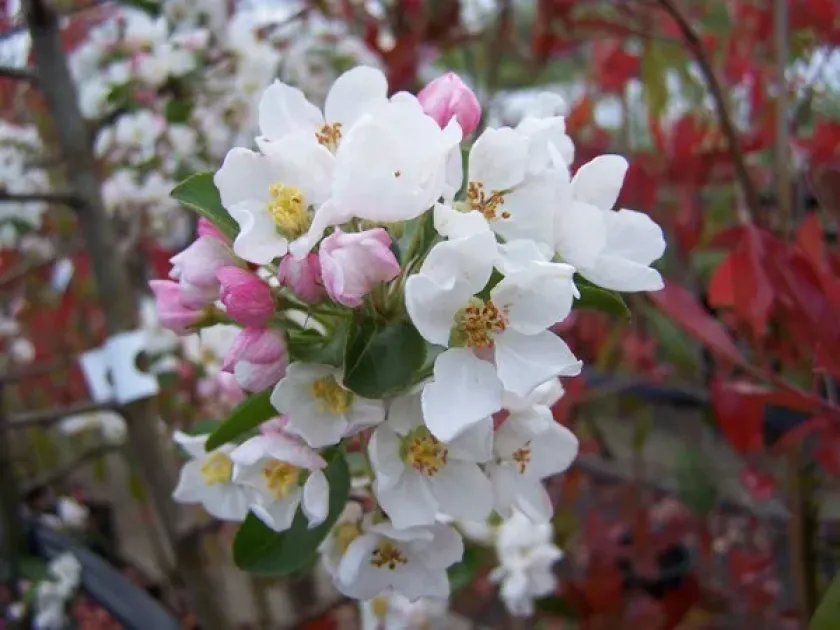
Description
Growing requirements
The paradise apple, a member of the Rosaceae family, is a distinct species widely recognized in horticulture for its use as a dwarfing rootstock for domestic apples.
The plant thrives in well-drained, fertile soil and requires a location with full sun exposure to ensure optimal fruit development and overall tree health.
It prefers neutral to slightly acidic soil conditions; poor drainage or heavy clay soils can lead to physiological stress and reduce the tree's vigor significantly.
Climate adaptability is a notable feature, as the tree exhibits good resilience to temperate climates, though it requires sheltered areas to avoid winter wind desiccation.
Proper spacing is essential when planting, as it allows for efficient airflow, which is critical for reducing the incidence of fungal pathogens in the canopy.
Yield
The yield of the paradise apple is characterized by a heavy production of small, firm, and often vibrantly colored fruits that are highly valued for culinary purposes.
These apples are exceptionally rich in pectin, making them an ideal choice for homemade jams, jellies, and artisanal confectionery production.
While often considered an ornamental fruit, their concentrated flavor profile provides a depth that larger commercial apple varieties frequently lack.
Regular pruning cycles are necessary to manage the dense foliage and encourage fruit-bearing wood, ensuring consistent annual yields for the grower.
Harvesting should occur when the fruits reach firm maturity; they should be picked with care to maintain their shelf life for post-harvest processing.
Main diseases and pests
Common pathological issues include apple scab and powdery mildew, which can spread rapidly during damp and cool spring weather conditions.
Insect pests, such as codling moth larvae and aphids, are major threats that can compromise both the foliage integrity and the quality of the harvested fruits.
Effective disease management involves integrated pest management strategies, including the application of fungicides and monitoring for pest life cycles.
Maintaining a clean orchard floor by removing fallen leaves and mummified fruits is a fundamental cultural practice to reduce the overwintering inoculum of fungi.
Healthy trees are more resistant to outbreaks, underscoring the importance of proper fertilization and irrigation as the first line of defense against threats.