
Rock spirea
Holodiscus microphyllus
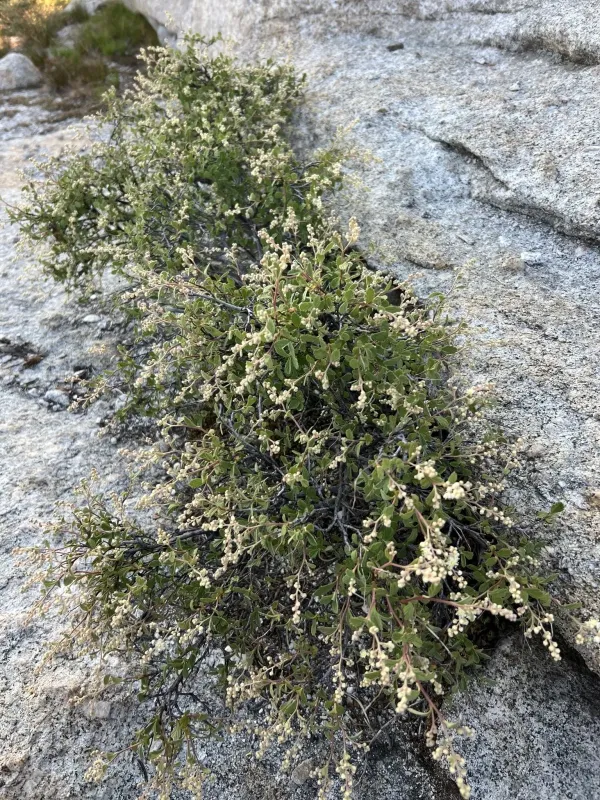
Description
Growing requirements
Rock spirea is a deciduous shrub belonging to the Rosaceae family. Native to the mountainous regions of western North America, it is highly valued for its ability to thrive in harsh, rocky environments where other ornamental plants often fail.
This species is well-adapted to poor, well-draining soils and exhibits remarkable drought tolerance once established. Its compact growth habit and fine texture make it an excellent choice for rock gardens and slope stabilization projects.
The plant thrives in full sun exposure. While it can survive in partial shade, optimal flowering and a dense, structural appearance are achieved only under direct sunlight for the majority of the day.
Climatic requirements are relatively modest, as the shrub is hardy in temperate zones. It withstands cold winters well, provided the root zone is not subjected to prolonged waterlogging, which is a common cause of failure in heavier clay soils.
Minimal maintenance is required to keep the plant healthy. A light pruning in late winter or early spring helps maintain its shape and encourages vigorous new growth, ensuring the shrub remains a focal point of the garden.
Main diseases and pests
Rock spirea is naturally resilient to most pests and diseases. The primary threats arise from poor cultural practices, such as excessive irrigation or planting in areas with insufficient drainage, which can lead to crown rot.
Pests such as aphids may occasionally congregate on new, tender growth during the early spring. These can usually be managed with a simple spray of water or horticultural soap if the infestation becomes significant.
Powdery mildew can be a minor concern in areas with stagnant air and high humidity. Ensuring proper spacing during installation promotes the airflow necessary to minimize the risk of fungal infections.
Spider mites might appear during periods of intense, prolonged heat. Monitoring the foliage and maintaining a healthy moisture balance can significantly reduce the likelihood of these outbreaks.
It is rarely necessary to use harsh chemicals on this plant. Maintaining overall garden hygiene and removing dead branches promptly is usually sufficient to prevent the buildup of potential pathogen populations.