
Rock spirea
Holodiscus dumosus
Description
Growing requirements
Rock spirea (Holodiscus dumosus) is a deciduous shrub belonging to the Rosaceae family. It is native to the western regions of North America, typically found in mountainous terrain and rocky slopes. This species is highly valued for its naturalistic appearance and hardiness.
The shrub thrives in well-drained, gritty soils and prefers neutral to slightly acidic pH levels. It is remarkably drought-tolerant once established, making it an excellent choice for low-maintenance landscaping and xeriscaping projects in temperate climates.
Full sun is ideal for optimal growth and flowering; however, the plant exhibits good tolerance for partial shade. Proper spacing is essential to ensure adequate air circulation, which prevents the build-up of humidity around the dense foliage.
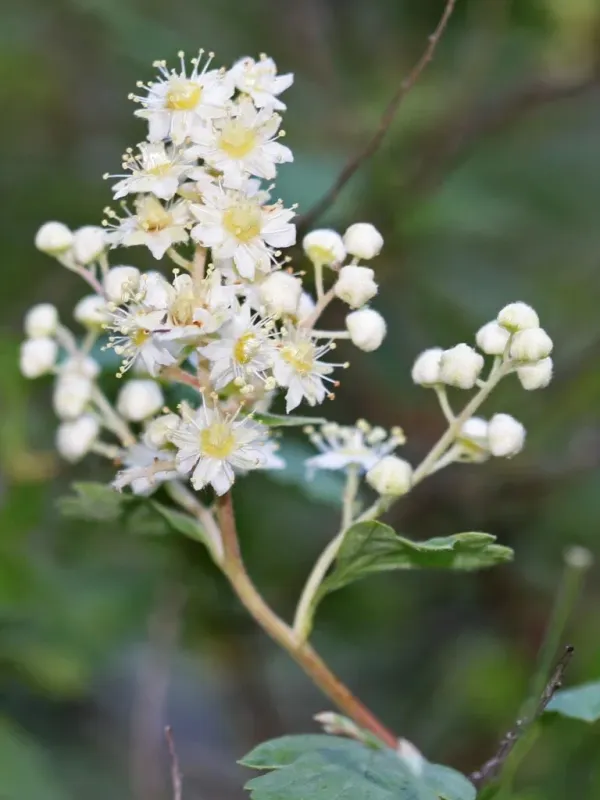
Botanically, it is recognized by its arching, plume-like inflorescences that carry masses of tiny, fragrant white or cream-colored flowers. The leaves are typically small, serrated, and grayish-green, providing a soft texture in landscape design.
In landscape applications, Rock spirea is utilized for rock gardens, erosion control on steep slopes, and as a pollinator-friendly plant that adds significant seasonal interest during mid-summer when most other shrubs have finished blooming.
Main diseases and pests
Rock spirea is generally robust and free from serious pest issues. However, poor cultural practices, such as excessive overhead watering or planting in heavy, poorly draining soils, can predispose the shrub to crown or root rot.
Fungal pathogens like powdery mildew may appear during humid weather if plants are crowded too closely. Improving airflow through selective pruning and ensuring the site is not prone to stagnant air pockets is the best preventative strategy.
Occasional infestations of aphids or spider mites can occur, particularly if the plant is under stress from drought or nutrient deficiency. Monitoring the underside of leaves for signs of insect presence is recommended during the peak growing season.
Mechanical damage to the bark or branches during maintenance can serve as an entry point for opportunistic pathogens. It is advised to use sterilized tools for all pruning activities to maintain the health of the woody structure.
Integrated pest management, including the use of horticultural oils for severe infestations and maintaining a healthy plant through proper mulching, is recommended to keep the Rock spirea thriving for many years.