
Dryas octopetala
Dryas octopetala L.
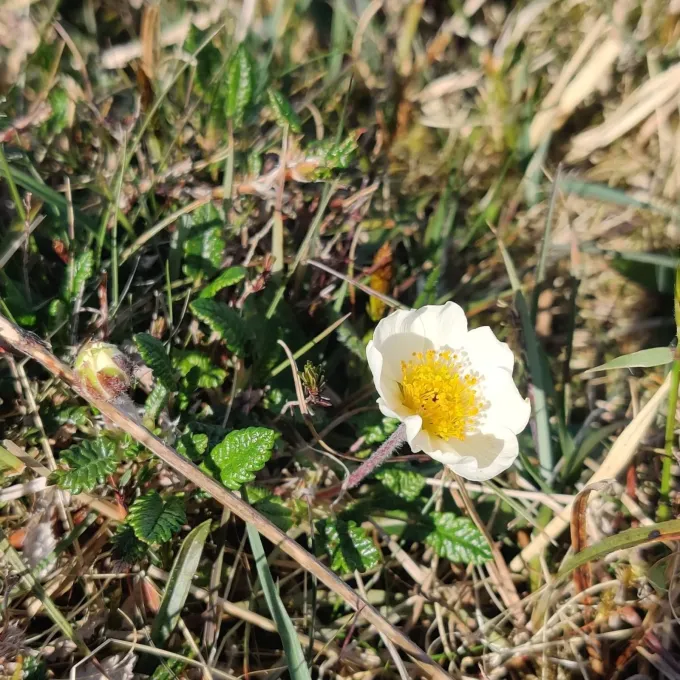
Description
Sowing dates
The propagation of Dryas octopetala is predominantly achieved through vegetative methods, such as taking cuttings or dividing established clusters during the early spring or autumn. Seed propagation is feasible but requires cold stratification for at least two months to break dormancy.
When sowing seeds, they should be surface-sown or covered with a very fine layer of sand. Maintaining consistent, yet not excessive, moisture is crucial until germination occurs, which often takes several weeks under controlled greenhouse conditions.
Seedlings should be transplanted to their permanent location once they have developed a robust root system. It is vital to handle the roots with care, as they are sensitive to disturbance and prefer to be moved with a minimal soil ball.
The optimal planting density is approximately 30 centimeters apart. This spacing allows for the eventual merging of individual plants into a dense, carpet-like structure, which is the primary objective when cultivating this species for ground coverage.
Newly planted specimens benefit from light shade for the first week to reduce transpiration stress. Once established, the plants thrive best in full exposure to sunlight, provided the soil remains appropriately cool and well-drained.
Growing requirements
Dryas octopetala, a member of the Rosaceae family, is an arctic-alpine plant naturally occurring on rocky slopes and tundra plateaus. Consequently, it demands a growing medium that mimics these harsh, mineral-rich, and fast-draining conditions.
The ideal soil for this species is neutral to slightly alkaline, limestone-based, and rich in grit or rocky debris. Achieving excellent drainage is the most critical factor, as stagnant water is lethal to the plant's delicate root system.
This plant requires high light intensity and performs best in locations with unobstructed sun. While it can tolerate cool, windy conditions, it is sensitive to intense summer heat combined with high humidity, which can lead to rapid decline.
Watering should be balanced and careful. While it needs consistent moisture, it must never be waterlogged. During dry spells, provide deep, infrequent watering directly to the root zone, ensuring the foliage remains dry to prevent rot.
Mulching the area with small gravel or stone chippings is highly recommended. This practice provides a sterile environment around the root collar, prevents soil compaction, and maintains the cooler soil temperatures that this species craves.
Yield
In a horticultural context, the yield of Dryas octopetala is measured by its success in creating a continuous, healthy ground cover. A productive, well-grown specimen will exhibit an even, dense foliage mat that serves as an effective erosion control measure.
Flowering performance is the primary measure of its ornamental success. Healthy plants produce an abundance of eight-petaled white flowers during late spring, transforming the rock garden into a bright, carpeted display of alpine beauty.
This species is highly valued for its ability to stabilize loose soil on steep embankments. Its prostrate growth habit and extensive root network contribute to the integrity of rocky landscape features, providing both aesthetic and structural value.
Due to its slow growth rate, the plant is a long-term investment. With proper site selection and soil preparation, the carpet can persist for decades, increasing in density and covering power each growing season without the need for frequent replacement.
Periodic maintenance, such as the gentle removal of dead plant material from within the cushion, encourages lateral growth and prevents the accumulation of debris that could otherwise shade out living buds and weaken the structure.
Main diseases and pests
Fungal pathogens are the most significant threat to the health of Dryas octopetala. Root rot, induced by waterlogging or poor air circulation, is the leading cause of plant mortality and often progresses rapidly if drainage is not improved.
Slugs and snails present a seasonal challenge, especially in regions with frequent rainfall. These pests can consume young foliage and flower buds, making physical barriers or the use of eco-friendly repellents necessary during early growth stages.
Environmental stress, particularly high temperatures combined with moisture, can make the plant susceptible to opportunistic infections. Leaf spot diseases may occur, requiring the removal of infected parts and an increase in site ventilation.
Competition from more vigorous, invasive weeds is a constant pressure for this slow-growing species. Regular hand-weeding is essential, as the presence of larger weeds will deprive the plant of necessary light and cause unhealthy etiolation.
It is important to avoid the use of harsh chemical pesticides, as the plant may show phytotoxicity. Integrated pest management, focusing on site sanitation and optimal environmental conditions, remains the most effective way to prevent and manage threats.