
Spyridium globulosum
Spyridium globulosum (Labill.) Benth.
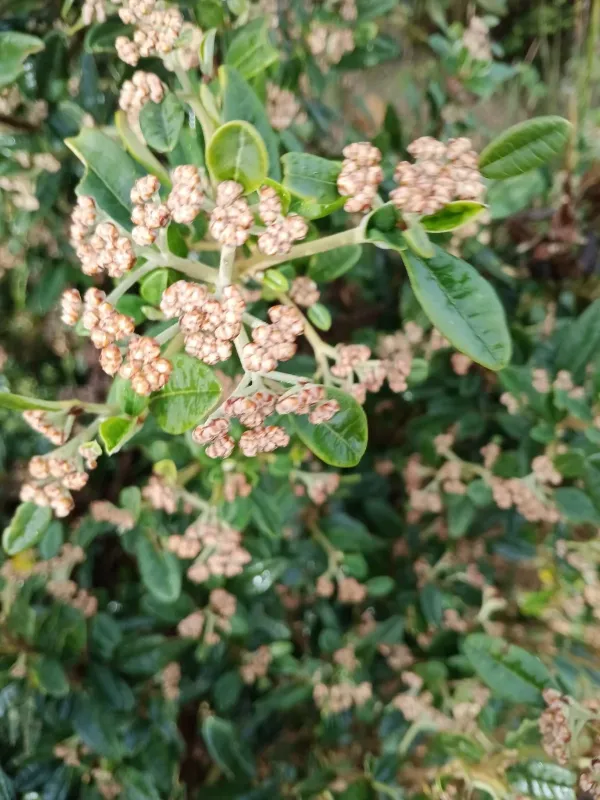
Description
Growing requirements
Spyridium globulosum, a member of the Rhamnaceae family, is an evergreen shrub native to the southern and western coastal regions of Australia. It is highly valued for its robust nature in harsh, wind-swept environments.
The plant thrives in well-drained, sandy soils and is remarkably tolerant of saline air, making it an excellent choice for seaside planting projects. It prefers locations with full sun to partial shade exposure.
In terms of climate, it is well-adapted to Mediterranean-type environments. Once established, it exhibits significant drought tolerance, though it benefits from occasional watering during prolonged hot and dry spells.
Botanically, it is known for its dense habit and clusters of small, globose flower heads. The foliage is typically hairy on the underside, an evolutionary trait that helps reduce water loss in arid coastal habitats.
The primary use of this culture is in ornamental gardening and land restoration. It functions effectively as a screening plant or windbreak, providing structural stability and aesthetic appeal to coastal landscapes.
Main diseases and pests
The most significant threat to Spyridium globulosum is waterlogging, which often leads to root rot. Ensuring proper drainage is essential for the longevity of the plant in cultivation.
Pests are generally not a major issue; however, aphids may occasionally target young, succulent growth during the spring season. Monitoring and timely removal can keep infestations under control.
Fungal issues, such as powdery mildew, can occur in poorly ventilated areas with high humidity. Proper spacing between individual plants is recommended to promote adequate airflow and reduce pathogen risk.
Root-damaging organisms may pose a threat if the soil is contaminated or lacks the necessary beneficial microbes. Selecting disease-free nursery stock is a critical step in preventing these issues.
General maintenance, including light pruning after flowering, helps preserve the plant's health and density. This practice prevents the accumulation of dead wood that could otherwise harbor pests or fungi.