
Sesamoides suffruticosa
Sesamoides suffruticosa
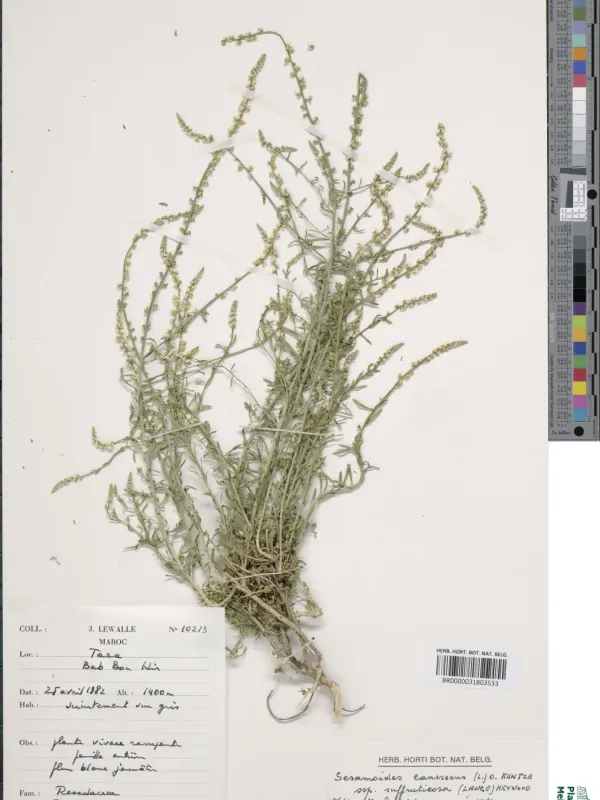
Description
Sowing dates
Sesamoides suffruticosa is a perennial herbaceous plant belonging to the Resedaceae family. In natural habitats, it propagates primarily through seeds, which require specific temperature conditions for successful stratification.
In controlled cultivation, sowing seeds is recommended in autumn for outdoor plots or in early spring after appropriate pre-sowing preparation. The optimal planting depth is 0.5–1 cm, as seeds require sufficient light for effective germination.
To accelerate germination, seeds should be kept in a cool environment at temperatures between +2 and +5 degrees Celsius for 3–4 weeks. Germination is often asynchronous, reflecting the plant's survival strategy adapted to the Mediterranean climate.
For commercial or research purposes, it is recommended to maintain a spacing of 30–40 cm between individual plants to ensure proper air circulation and prevent the development of pathogenic microflora.
It is important to note that the crop is sensitive to excess moisture in the root zone immediately after germination, requiring soil with excellent drainage properties.
Growing requirements
The plant originates from the western Mediterranean regions, which dictates its high demand for direct sunlight and its inherent tolerance to short-term drought periods.
It thrives in calcareous, well-drained rocky or sandy soils with a neutral to slightly alkaline pH. Heavy clay substrates are unsuitable for this crop as they promote root rot and inhibit gas exchange.
Sesamoides suffruticosa exhibits good winter hardiness in temperate climates, although in regions with severe winters lacking snow cover, mulching the root zone with organic matter is advised.
During the active growing season, the crop requires moderate irrigation, but it reacts extremely poorly to waterlogging, which quickly leads to the death of the root system.
For optimal plant health and biological productivity, it is recommended to place plantings in wind-protected areas with a south or southwest exposure.
Main diseases and pests
The primary threats to this crop include fungal diseases that develop under conditions of excessive soil moisture and high humidity, such as root rot and powdery mildew.
Among pests, leaf-eating insects and slugs pose the greatest danger, as they can damage young shoots in the spring, significantly reducing plant establishment rates.
Failure to follow crop rotation increases the risk of soil nematode accumulation, which suppresses plant growth and decreases overall vitality.
To protect the crops, regular inspection and the removal of damaged plant parts are necessary, along with the use of preventative treatments with biological fungicides.
Maintaining adequate distance between plants and avoiding overcrowding is the best preventative practice against most common pathogens affecting this species.