
Sesamoides purpurascens
Sesamoides purpurascens
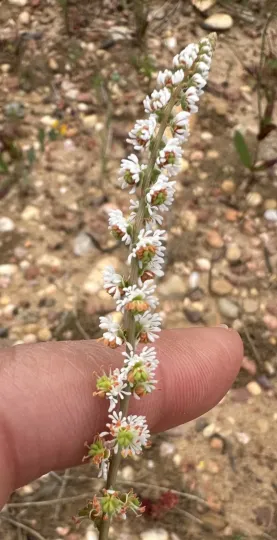
Description
Growing requirements
Sesamoides purpurascens, commonly known as a member of the Resedaceae family, is a perennial herbaceous plant native to the western Mediterranean region. Its natural habitat is characterized by arid conditions and poor, rocky soils where it has adapted to survive extreme environmental stress.
The plant features a basal rosette of narrow leaves and distinctive inflorescences that transition into a reddish-purple hue during the flowering season. Its taproot system is robust, allowing the plant to draw nutrients from deep within the substrate, which is a key survival strategy in Mediterranean climates.
For successful cultivation, Sesamoides purpurascens requires well-drained, alkaline, or calcareous soils. The species is highly sensitive to waterlogging; therefore, maintaining soil porosity is essential to prevent root diseases and ensure long-term health of the crop in controlled conditions.
Climatic requirements focus on full sun exposure and moderate temperatures during the growth phase. It thrives in open field environments where solar radiation is high, demonstrating significant drought tolerance once the root system is well-established in the soil profile.
The agricultural and economic utility of this plant is currently being explored in scientific circles. Potential applications include its use in specialized pharmaceutical preparations and as a drought-resistant ornamental species. Researchers continue to evaluate its biomass potential and chemical properties for sustainable agricultural development.