
Trautvetteria carolinensis
Trautvetteria carolinensis
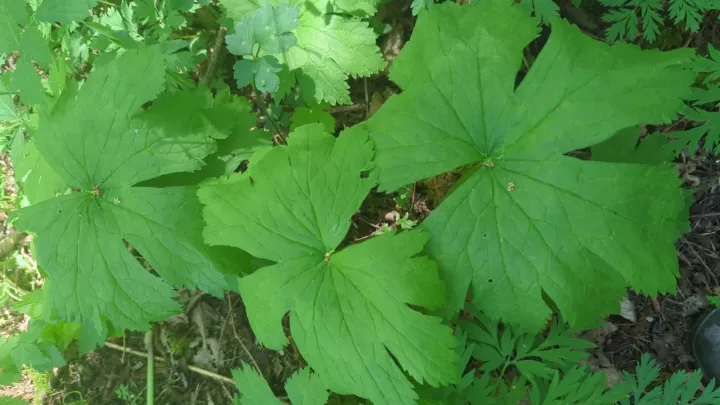
Description
Growing requirements
Trautvetteria carolinensis, commonly known as tassel rue, is a perennial herb belonging to the Ranunculaceae family. It is native to moist habitats in North America and parts of Eastern Asia.
This plant thrives in shaded or semi-shaded environments. It is specifically adapted to damp soil conditions, making it an excellent choice for bog gardens or areas near natural water sources.
Successful cultivation requires soil rich in organic matter that remains consistently moist throughout the growing season. It performs poorly in dry or sandy substrates lacking water retention.
Climatically, it is a hardy species that survives typical winter conditions in temperate zones. It benefits from a thick layer of organic mulch to protect its root system from temperature fluctuations.
In landscaping, it is valued for its unique foliage and white, feathery inflorescences. The plant's structure provides a lush, woodland-like aesthetic in garden borders and shaded landscape designs.
Main diseases and pests
The primary threats to Trautvetteria carolinensis are fungal pathogens, which can cause leaf spots or root rot if the soil remains stagnant without proper drainage.
Pests such as slugs and snails are known to consume the foliage, particularly during the early spring when the new, tender leaves emerge from the soil.
Management of these threats involves ensuring adequate spacing between plants to allow for airflow and minimizing surface moisture on the leaves during evening hours.
For chemical-free pest control, gardeners often employ physical barriers or natural deterrents to protect the plant from mollusk damage during the early growth stages.
Maintaining a clean garden bed by removing decaying plant matter minimizes the hiding spots for pests and reduces the potential for fungal spore germination.