
Trautvetteria japonica
Trautvetteria japonica
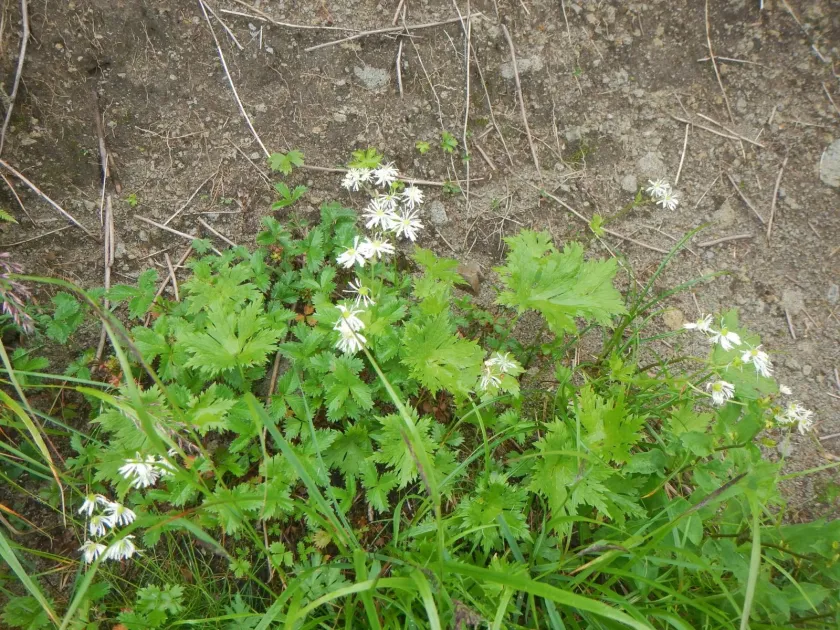
Description
Sowing dates
Trautvetteria japonica is typically propagated via seeds or rhizome division. For seeds, a period of cold stratification is essential to break dormancy, making autumn or winter sowing the most effective method for germination.
When sowing, seeds should be sown on the surface of a light, moist, peat-based medium. They require diffuse light to trigger germination, so covering them with a thin layer of substrate or fine grit is recommended.
Rhizome division should be performed in early spring as new growth begins. The rhizome should be divided carefully to ensure each piece has at least one or two healthy buds for successful establishment.
Seedlings develop slowly during their first year and require careful maintenance. It is advisable to keep them in a nursery setting where humidity and temperature can be strictly monitored until they are robust enough for planting.
When moving to a permanent garden location, ensure the soil is thoroughly enriched with well-rotted compost. Proper spacing is necessary to allow for the future growth and spread of the root system.
Growing requirements
As a member of the Ranunculaceae family, Trautvetteria japonica thrives in moist, shaded environments. It is an ideal plant for damp corners of the garden, stream banks, or woodland margins where natural moisture is abundant.
The plant requires a partially shaded site that is protected from harsh, direct sunlight. Too much light can cause leaf scorching, while dry conditions will quickly stress the plant and reduce its aesthetic appeal.
Soil requirements include high organic content, good drainage, and a slightly acidic to neutral pH level. It is crucial to maintain consistently moist soil, as the plant does not tolerate periods of drought well.
Mulching is a key agricultural practice for this species. Applying a thick layer of organic mulch helps retain soil moisture, suppresses weeds, and mimics the natural forest floor habitat to which the plant is adapted.
In terms of maintenance, fertilization with a balanced organic mix during the early spring growth period supports vigorous foliage development. Consistent moisture levels throughout the growing season are the primary requirement for success.
Main diseases and pests
The primary threats to Trautvetteria japonica involve water-related issues. Excessive water stagnation, especially in heavy soils without proper drainage, can trigger fungal rot of the rhizomes and root system.
High humidity combined with poor airflow can lead to the development of powdery mildew on the foliage. Proper planting distance is necessary to maintain air circulation and minimize the risk of infection.
Slugs and snails are the most common pests, particularly during damp weather. These mollusks can significantly damage the broad, attractive leaves, leaving unsightly holes that degrade the plant's decorative value.
Management of these pests often involves mechanical barriers or the use of eco-friendly baits. Monitoring for signs of insect damage early in the season can prevent large-scale infestations.
By providing adequate space and ensuring the soil is free-draining yet moist, growers can mitigate most pest and disease problems, ensuring the plant remains healthy and ornamental throughout the year.