
Pulsatilla tongkangensis
Pulsatilla tongkangensis Y. N. Lee & T. C. Lee
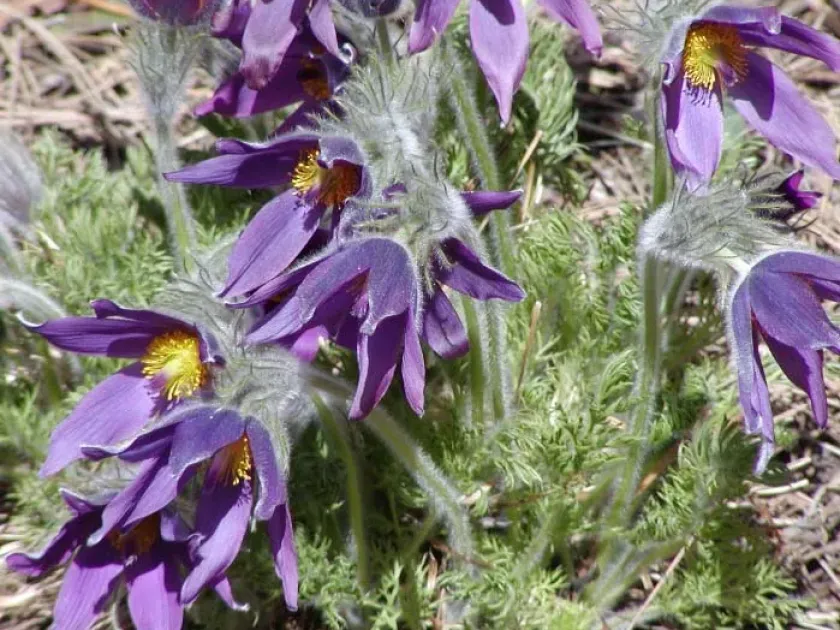
Description
Growing requirements
Pulsatilla tongkangensis is a rare species belonging to the Ranunculaceae family. Native to the mountainous regions of the Korean Peninsula, this herbaceous perennial is highly prized by gardeners for its unique appearance and early spring flowering.
The plant requires well-drained, porous soil to thrive. In cultivation, it is essential to mimic its natural rocky habitat to prevent root rot. A mixture of loamy soil with plenty of sand and fine grit is considered the ideal substrate for healthy development.
Environmental conditions play a crucial role in its growth. The species prefers cool, airy locations with full sun exposure during the early stages of development, providing sufficient light for its pubescent foliage to thrive.
Climate adaptation is robust, but the plant requires a distinct winter dormancy period. It is well-suited for rock gardens or alpine beds where it can receive the necessary winter chill and adequate drainage during the spring thaw.
Proper spacing is important to maintain airflow between specimens. As the plant is sensitive to root disturbance, it should be placed in its final location carefully and left undisturbed to establish a strong root system over time.
Main diseases and pests
Root rot caused by poor soil drainage remains the primary threat to the health of Pulsatilla tongkangensis. If the soil remains soggy for extended periods, the crown and roots are highly susceptible to fungal infections.
Leaf spot and gray mold can affect the foliage during periods of high humidity and poor ventilation. Keeping the surrounding area clear of debris and ensuring good air circulation is vital for plant hygiene.
Gastropods, particularly slugs and snails, are frequent pests during the spring growth flush. They feed on the soft, developing buds and leaves, often causing significant aesthetic and structural damage to the plant.
Aphids can occasionally cluster on the young stems, especially if the plant is stressed by drought. Early detection and the use of insecticidal soaps can manage these infestations without harming the delicate plant tissues.
Proactive management of the growing environment is the best defense. Utilizing coarse mulch, monitoring soil moisture levels, and ensuring that the crown stays dry are essential practices for successful cultivation.