
Polytrichum
Polytrichum
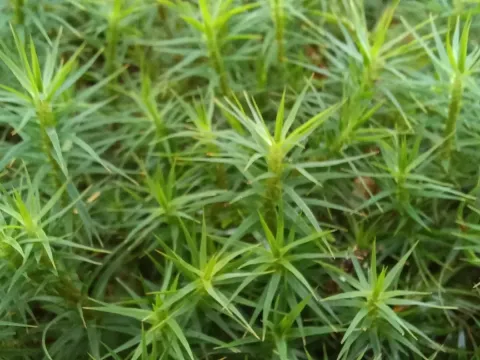
Polytrichum, commonly known as haircap moss, is a significant member of the Polytrichaceae family. This perennial bryophyte is characterized by its stiff, upright stems and deep green color, forming dense mats that can cover large surfaces.
What the section contains


Polytrichum
Geographically, Polytrichum is widely distributed across the temperate and boreal regions, often dominating the forest floor in acidic, moisture-rich environments such as peat bogs and damp woodland areas.
To cultivate Polytrichum, one must ensure a consistent moisture supply. Unlike many garden plants, it thrives in environments with high atmospheric humidity and does not tolerate drying out for extended periods.
Soil requirements are specific: it necessitates acidic soil with low nutrient levels. It is an excellent pioneer species that can establish itself on poor substrates where vascular plants struggle to survive.
In practice, Polytrichum is valued for its ability to stabilize soil and prevent erosion in shaded, wet garden zones, serving as a functional and aesthetic groundcover in specialized landscaping projects.
The primary threat to Polytrichum colonies is the alteration of local hydrology. Drainage of wetlands and forest areas causes rapid desiccation and the eventual death of the moss mat.
Environmental pollutants, including sulfur dioxide and heavy metals, pose a severe risk as Polytrichum lacks a protective cuticle and absorbs nutrients and toxins directly from the atmosphere.
Competition from fast-growing weeds and invasive shrub species can create excessive shade and dry out the immediate microhabitat, leading to the gradual decline of the moss population.
Fungal pathogens can occasionally affect the moss under conditions of poor ventilation and excessive surface water stagnation, resulting in necrotic spots on the stems.
While minimal, mechanical disturbance from trampling or wildlife activity can disrupt the delicate surface structure of the colony, preventing the moss from regaining its characteristic density.