
Juniper haircap moss
Polytrichum juniperinum
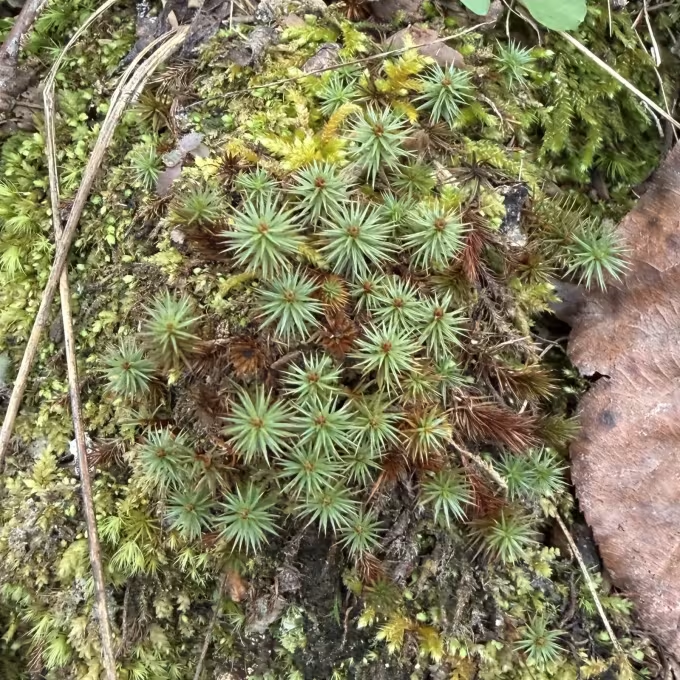
Description
Growing requirements
The Juniper haircap moss is a member of the Polytrichaceae family. This perennial plant is widely distributed across various habitats, including sandy soils, heathlands, and open coniferous forest edges, demonstrating high environmental resilience.
This species requires acidic, nutrient-poor soil conditions to thrive. Gardeners should aim for a pH range of 4.0 to 5.5, often achieving this by incorporating sphagnum peat moss into the planting medium to mimic natural forest floor conditions.
Botanically, it is characterized by stiff, upright stems covered in narrow, dark green leaves that resemble the foliage of a juniper tree, which gives the moss its specific common name.
Unlike many other moss species, it has a high tolerance for drought and direct sunlight, allowing it to colonize exposed areas where other bryophytes might struggle to survive and maintain growth.
In terms of usage, it is highly valued in landscape architecture for creating naturalistic ground covers, in rock gardens, and as a biological tool to prevent soil erosion on steep slopes or disturbed sites.
Main diseases and pests
The most significant threat to the health of these moss beds is the application of commercial fertilizers, which can be lethal to the plant due to the excessive salt content.
Alkaline water, such as tap water with high calcium carbonate levels, will rapidly alter the soil chemistry and lead to the degradation of the moss colony.
Invasive grasses and broad-leaved weeds are the primary competitors; they can quickly overgrow the colony, blocking essential light and nutrients needed for the moss's survival.
Pathogenic fungi can emerge in stagnant, waterlogged environments, causing rot at the base of the stems, which necessitates proper drainage management.
Physical disturbance by animals or heavy foot traffic can easily damage the brittle structure of the moss, requiring protected areas for successful long-term cultivation.