
Tricholepidium superficiale
Tricholepidium superficiale
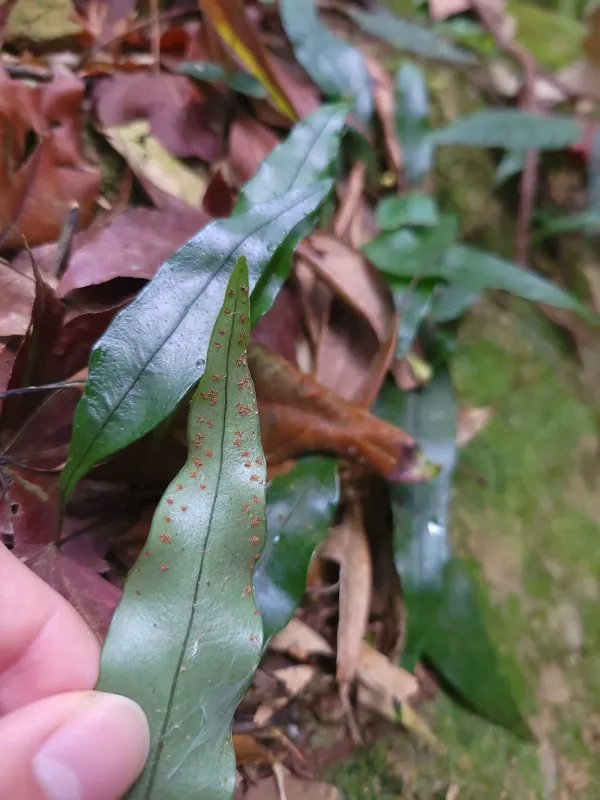
Description
Growing requirements
Tricholepidium superficiale is a perennial fern belonging to the Polypodiaceae family. This species is primarily found in the tropical and subtropical forests of Asia, where it thrives as an epiphyte or lithophyte in humid environments.
The plant requires high levels of atmospheric humidity to sustain its metabolic processes. In its native habitat, it grows on tree bark or moist rock surfaces, which provide the necessary structural support and organic debris for root development.
Optimal growth conditions involve filtered light rather than direct sunlight. Exposure to harsh solar radiation can lead to leaf scorching and physiological stress, as the plant is specifically adapted to the shaded understory of forest ecosystems.
Soil or substrate requirements focus on excellent aeration and drainage. The root system must avoid waterlogged conditions, which are highly detrimental to the health of this fern, often causing root rot and systemic decline.
Botanically, the species is characterized by its scale-covered rhizomes which act as a reservoir for water storage. These adaptations allow the plant to endure short periods of relative drought within its generally moist tropical niche.