
Cyclopeltis semicordata
Cyclopeltis semicordata
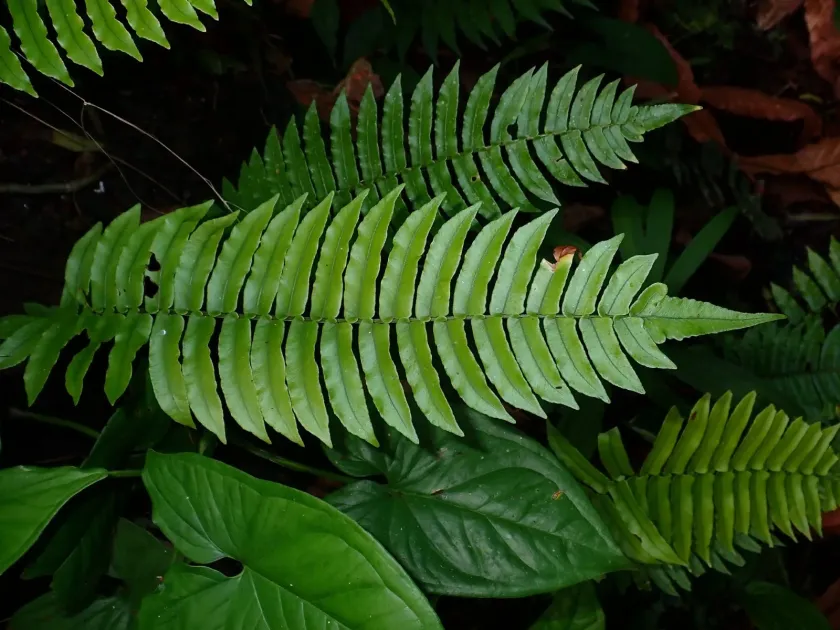
Description
Growing requirements
Cyclopeltis semicordata is a unique fern species belonging to the Dryopteridaceae family, native to the tropical forests of the Americas. It is highly valued for its lush, pinnate foliage and its adaptability to greenhouse and indoor environments.
The plant features distinct, semi-cordate pinnae that give it a sophisticated appearance. Its rhizomes are generally short and stout, requiring well-draining soil to thrive without experiencing waterlogged conditions that could lead to decay.
Temperature requirements for this fern are quite strict, as it thrives in tropical conditions between 20°C and 25°C. It is intolerant of cold drafts and temperatures that fluctuate significantly, making it ideal for stable indoor or conservatory conditions.
The soil should be nutrient-rich, acidic, and airy. A standard fern mix, often including peat moss, perlite, and decomposed leaf litter, provides the necessary structural support and drainage essential for long-term health.
Humidity is a critical factor in the cultivation of this species. Since it is native to forest floors, it appreciates high humidity levels, often requiring misting or the use of pebble trays in dryer indoor environments to prevent the tips of the fronds from turning brown.
Main diseases and pests
The most significant threat to Cyclopeltis semicordata is fungal pathogens, particularly those causing root rot, which are often a result of overwatering and insufficient aeration in the root zone.
Pests such as scale insects and mealybugs can pose serious problems if left untreated. These insects thrive in the protected undersides of the fronds, where they extract plant sap, eventually leading to yellowing and stunted growth of the plant.
Spider mites are another common concern, especially during the winter months when indoor heating lowers the ambient humidity. Their presence is usually indicated by fine webbing and a stippled appearance on the leaf surfaces.
Cultural management is the primary method of pest control. Maintaining clean growing conditions and ensuring proper spacing between plants significantly reduces the risk of pest outbreaks and disease transmission.
Chemical intervention should be considered a last resort. If necessary, use environmentally friendly horticultural oils or specialized insecticidal soaps that are safe for delicate ferns to avoid damaging the foliage.