
Polygonum multiflorum
Reynoutria multiflora (Thunb.) Moldenke
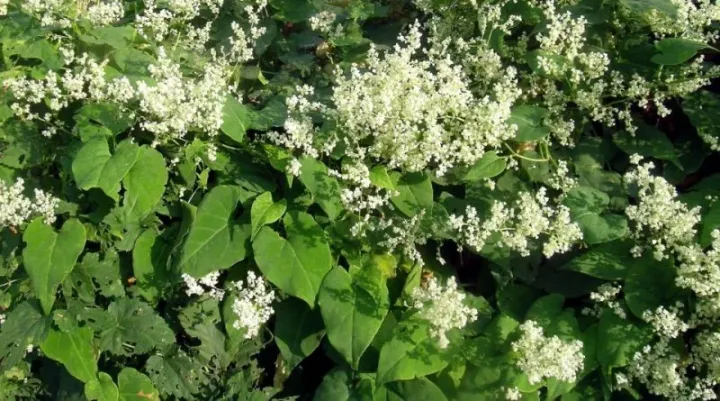
Description
Sowing dates
Polygonum multiflorum can be propagated by seeds, cuttings, or rhizome division. Sowing seeds in early spring in well-prepared, loose soil is the most common method for large-scale production.
Before sowing, seeds benefit from cold stratification to improve germination rates. They should be planted at a depth of 1–2 cm, maintaining adequate spacing to prevent overcrowding.
Vegetative propagation via cuttings is performed during the active growing season. Shoots are taken and kept in a humid environment until roots develop sufficiently for transplanting.
Rhizome division is typically done in the dormancy period, during late autumn or early spring. This ensures that the divided sections have sufficient energy to establish themselves quickly.
Maintaining optimal soil moisture levels after planting is essential for the initial development of the root system, which dictates the future quality of the medicinal harvest.
Growing requirements
Polygonum multiflorum belongs to the Polygonaceae family and is native to East Asian climates. As a climbing vine, it requires support structures like trellises for optimal vertical growth and sunlight exposure.
The plant thrives in fertile, deep, and well-drained loamy soils. It is sensitive to waterlogging, so ensuring excellent drainage is critical to prevent root decay in plantation settings.
It prefers a location with full sun to partial shade. The ideal pH range for soil is between 6.0 and 7.0, ensuring the availability of necessary minerals for healthy leaf and root development.
While mature plants exhibit cold hardiness, they need protection during extreme winter conditions. Mulching the root base with straw or organic compost helps maintain soil temperature and provides nutrients.
Regular agricultural maintenance includes weeding, especially during the early growth phase, and balanced fertilization to maximize the concentration of bioactive compounds in the roots.
Yield
The harvestable product of Polygonum multiflorum is its mature tuberous root, which is typically ready for extraction 3 to 4 years after initial planting. Age increases both the size and the potency of the roots.
Harvesting is performed by mechanical digging. The roots are carefully removed, cleaned of soil, and washed to remove all impurities before the drying process begins.
Drying is a critical stage to ensure longevity and quality. It is performed in climate-controlled drying facilities at moderate temperatures to preserve the chemical integrity of the active ingredients.
Productivity is measured by the total biomass of dried roots per hectare. Effective agricultural practices, including correct spacing and irrigation, significantly influence the final yield results.
Processed roots must be stored in cool, dry, and ventilated conditions to prevent moisture accumulation and contamination by mold or insects, maintaining high quality for the pharmaceutical market.
Main diseases and pests
The crop is generally robust but can be susceptible to fungal diseases like leaf spot and root rot if grown in poorly drained soils with insufficient air circulation.
Common pests include aphids and mites, which feed on the sap of young stems and leaves. Early detection and treatment with appropriate biological controls are necessary to manage infestations.
- Implementing crop rotation prevents the buildup of soil-borne pathogens.
- Ensuring adequate spacing between plants improves airflow and reduces humidity around the foliage.
- Regular inspections help identify and remove symptomatic plants immediately to prevent the spread of disease.
Weed control remains a significant part of maintenance. Competitive weeds can stunt growth and provide shelter for various pests, negatively impacting the total harvest yield.
Proper water management is the most effective preventative measure against root-related problems, ensuring the plant remains healthy and resistant to common environmental stressors.