
Brunnichia ovata
Brunnichia ovata
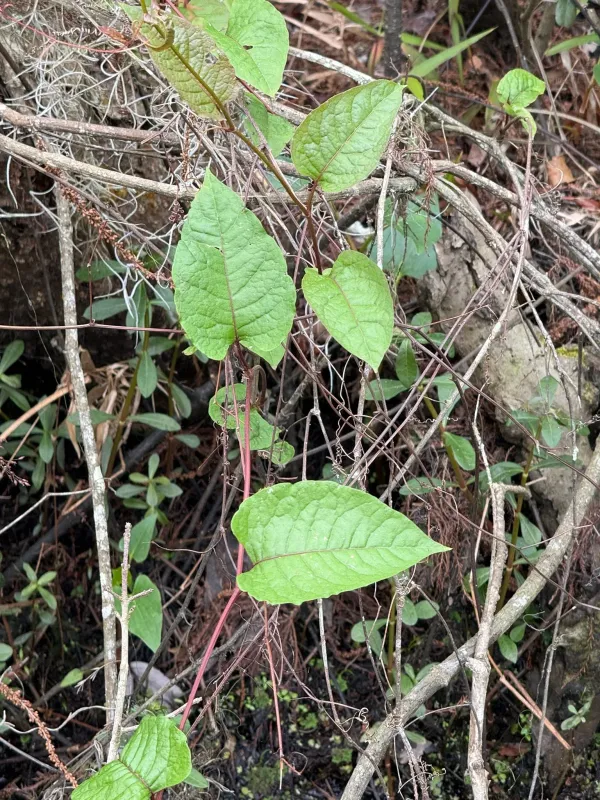
Description
Sowing dates
Brunnichia ovata is propagated primarily through seeds or stem cuttings. For seed sowing, it is best to start indoors in late winter to ensure a long growing season for the young seedlings before they are transplanted outside after the last frost.
Seeds require a period of stratification to improve germination rates. Placing them in a cold, moist environment for several weeks before sowing helps mimic natural winter conditions and breaks seed dormancy effectively.
Stem cuttings should be taken from semi-hardwood growth during the active growing season, typically in early summer. Using a rooting hormone can significantly increase the success rate when planting these cuttings in a well-drained, moist medium.
When transplanting to a permanent location, ensure that a sturdy trellis or support system is in place. As a vigorous climber, the plant will need immediate vertical support to prevent the stems from tangling on the ground and to encourage upward growth.
Planting density should be carefully considered to allow for adequate airflow. When creating screens or living walls, spacing the plants about 5 to 6 feet apart is recommended to ensure each specimen has enough room to establish its root system.
Growing requirements
Brunnichia ovata, a member of the Polygonaceae family, is a woody vine native to the southeastern United States. It thrives in locations that provide plenty of sunlight but also benefits from partial shade in areas with extremely hot summers.
The plant prefers rich, deep, and loamy soils with good drainage. While it can adapt to various soil types, it performs best when the organic content is high, so incorporating compost or well-rotted manure during site preparation is highly recommended.
Water requirements are relatively high, particularly during the first year of establishment. Once matured, the vine develops a strong root system that offers some drought tolerance, although consistent moisture will always yield more vigorous growth and greener foliage.
The plant is hardy in temperate climates, but protection from extreme winter winds is advisable. Mulching the base of the plant with organic material helps maintain soil temperature and protects the root crown during freezing temperatures.
Regular pruning is an essential part of the care routine for Brunnichia ovata. By removing dead or crossing branches in late winter, gardeners can maintain the shape of the vine and encourage denser, healthier growth in the following season.
Main diseases and pests
Generally, Brunnichia ovata is considered a hardy and relatively pest-free plant. Its robust nature makes it less susceptible to the diseases that often plague more delicate ornamental vines, provided the growing conditions are appropriate.
Aphids are the most common pest that might attack the tender new growth during the spring. They can cause leaf curling and stress the plant, but usually, a strong stream of water or insecticidal soap is enough to manage the population effectively.
In humid or poorly ventilated environments, powdery mildew may appear on the foliage. This fungal issue can be prevented by ensuring proper spacing between plants and avoiding overhead irrigation, which keeps the leaf surfaces dry.
Root rot is a potential risk if the soil is too dense or waterlogged. Ensuring that the planting site has excellent drainage is the primary defense against this condition, which can be fatal if left unaddressed for too long.
Monitoring the garden regularly for signs of infestation or fungal growth is key to maintaining a healthy vine. Early intervention with organic or chemical treatments ensures that the plant remains a beautiful feature in the landscape throughout the year.