
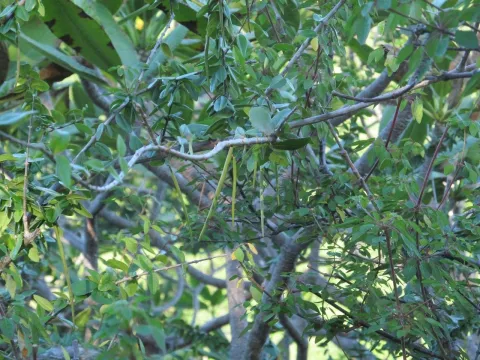
Plocosperma
Plocosperma
Plocosperma is a distinct genus of woody plants, now recognized as the sole member of the family Plocospermataceae. These plants are native to the tropical regions of Mexico and Central America, where they typically flourish in seasonal tropical forest environments.
What the section contains

Plocosperma
The ecological requirements for Plocosperma are quite specific, favoring areas with a stable tropical climate and defined seasonal fluctuations. They thrive in regions that provide sufficient warmth throughout the year, avoiding extreme cold which can be detrimental to their vegetative growth.
Regarding soil conditions, these plants prefer well-drained substrates that allow for proper aeration of the root system. Waterlogged or poorly drained soils are unsuitable for Plocosperma, making the selection of appropriate planting sites a critical factor for their survival in nature.
The morphology of the genus is characterized by opposite leaves and unique floral arrangements. One of the most distinctive features is the structure of the seeds, which gave rise to the genus name, referring to the characteristic hairy or fibrous appendages on the seeds of the fruits.
While not a major commercial crop, Plocosperma remains a significant subject for botanical research. Its rare status and unique evolutionary position make it a vital component of the plant biodiversity in its native Central American habitats, worthy of continued scientific observation.