
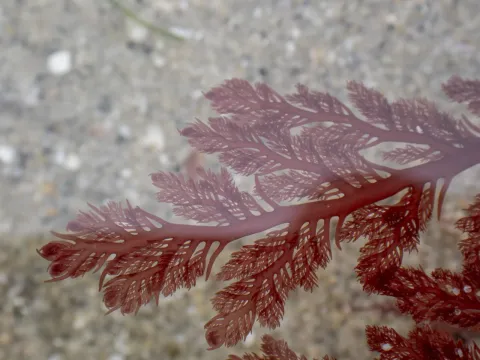
Plocamium
Plocamium
Plocamium is a genus of red algae belonging to the family Plocamiaceae. While typically found in marine ecosystems, its unique botanical structure makes it an increasingly interesting subject for controlled aquaculture environments.
What the section contains

Plocamium
The climate requirements for Plocamium involve stable seawater temperatures, as it thrives best in cool to temperate marine zones. Consistent light penetration is vital for maintaining the metabolic activity of these photosynthetic organisms.
Physiologically, Plocamium is characterized by its highly branched, feathery thallus. This structure maximizes nutrient uptake and gas exchange, allowing it to adapt to various depths within the photic zone of the ocean.
Soil, in the traditional sense, is replaced by substrates in aquatic farming. These algae require clean, oxygenated water with a balanced mineral content to support their rapid development and structural integrity.
Modern cultivation requires mimicking natural oceanic currents. This movement ensures that every part of the plant receives the nutrients necessary for optimal growth, preventing stagnation and localized depletion of elements.
The yield of Plocamium is primarily focused on the extraction of high-value chemical compounds. These include halogenated monoterpenes, which possess potent biological activities valuable for medical and industrial research.
Recent studies have highlighted the role of Plocamium as a feed additive for livestock. By integrating this seaweed into the diet, producers can mitigate methane emissions from cattle, offering a sustainable solution to climate change challenges in farming.
Harvesting strategies involve strategic pruning of the thallus. By leaving the base and rhizoids intact, farmers can ensure vegetative regrowth, allowing for continuous cycles of production without the need for reseeding.
The biomass productivity is highly dependent on light optimization and nutrient dosing in closed-loop systems. Careful management of these variables allows for consistent quality and high purity of the final extracts.
Industrial use extends to the cosmetic and pharmaceutical sectors, where the unique pigments and metabolites of the seaweed are utilized for their antioxidant and antimicrobial properties.
Climate change poses a significant threat to Plocamium populations, particularly ocean warming and acidification. These shifts can alter the chemical composition of the water, directly impacting the algae's cellular health.
Biological threats include epiphytic colonization, where other microalgae or bacteria cover the Plocamium surface. This competition for light and nutrients can significantly inhibit growth and lead to thallus necrosis.
Pathogenic outbreaks in aquaculture systems often stem from poor water circulation or excessive accumulation of organic waste. Maintaining high standards of hygiene is essential for preventing large-scale crop loss.
Pollution from agricultural runoff or industrial sites introduces heavy metals into the marine environment. These toxins are readily absorbed by the seaweed, rendering the harvest hazardous for human or animal consumption.
Preventing the introduction of invasive species into the farming area is critical for maintaining high yields. Strict containment and regular monitoring of the local ecosystem help protect the crop from unwanted competition.