
Plocamium cartilagineum
Plocamium cartilagineum
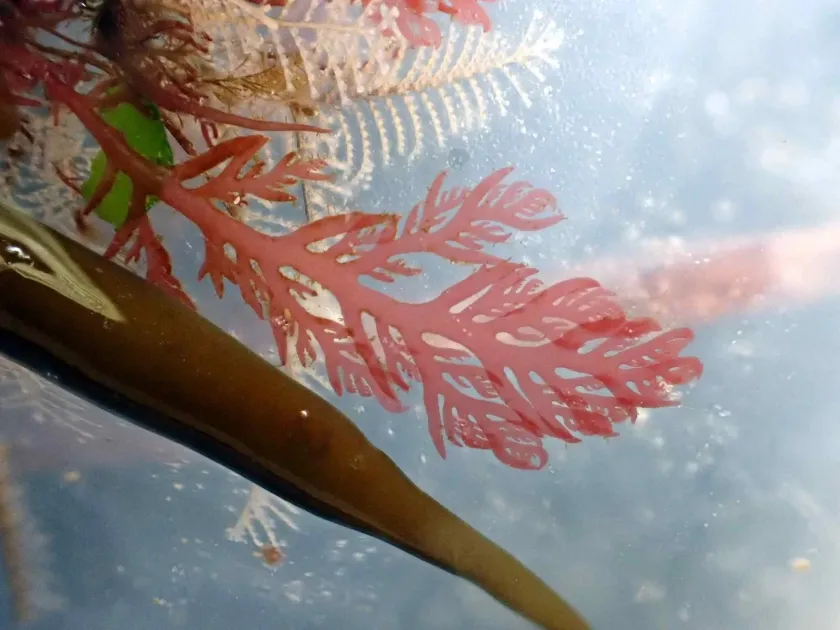
Description
Growing requirements
Plocamium cartilagineum is a prominent species of red algae belonging to the family Plocamiaceae. It is widely recognized for its intricate, dichotomously branched thallus, which exhibits a vibrant red to purple hue, adapted for photosynthesis at varying marine depths.
The cultivation of this marine crop requires specific environmental conditions, primarily stable salinity and cool water temperatures. It naturally thrives in subtidal rocky environments where it anchors itself to substrates, utilizing the surrounding water column for nutrient absorption.
Modern agrotechnical approaches involve the use of specialized underwater structures to facilitate optimal growth. These systems are designed to provide consistent water flow, ensuring that every individual plant receives adequate exposure to essential minerals and sunlight.
Maintaining water quality is paramount for commercial production. Any fluctuation in oceanographic parameters or the introduction of contaminants can inhibit physiological functions, emphasizing the need for locating seaweed farms in pristine, well-monitored marine areas.
Light management is also crucial; despite its ability to thrive at depth, excessive light intensity in shallow nurseries can cause oxidative stress. Therefore, depth regulation of the cultivation nets is often employed to maintain the ideal balance of light and temperature.
Yield
Plocamium cartilagineum is highly valued for its secondary metabolites, particularly halogenated monoterpenes. These compounds are extensively studied for their significant antimicrobial, antifungal, and anticancer properties, positioning the algae as a key asset in pharmaceutical research.
In addition to its medicinal value, the algae are utilized in the manufacturing of high-value hydrocolloids and additives. These products are integrated into food and cosmetic formulations, providing stability, texture, and bioactive ingredients to final consumer goods.
Main diseases and pests
The crop is vulnerable to various marine pathogens that can cause necrotic lesions on the thallus. These infections often proliferate in high-density cultivation setups, necessitating rigorous biosecurity measures and regular monitoring of plant health to mitigate potential losses.
Grazing organisms, such as sea urchins and various crustaceans, represent significant pests. If uncontrolled, these herbivores can cause substantial damage to the biomass, often destroying entire sections of the underwater nursery in a very short timeframe.
Epiphytic competition is a major challenge for seaweed farmers. Other opportunistic macroalgae can settle on the nets or the thalli of Plocamium, competing for nutrients and space. Regular maintenance, including cleaning the ropes and nets, is essential to keep the crop healthy.
Changes in ocean chemistry, particularly ocean acidification, can weaken the structural integrity of the seaweed. This susceptibility makes the crop sensitive to broader environmental shifts and requires adaptive management strategies to ensure long-term resilience.
Pollution from agricultural or industrial runoff can lead to toxic accumulation within the plant tissues. This renders the harvest unsuitable for pharmaceutical or food applications, which are the primary economic drivers for this specific culture.