
Culver's root
Veronicastrum virginicum (L.) Farw.
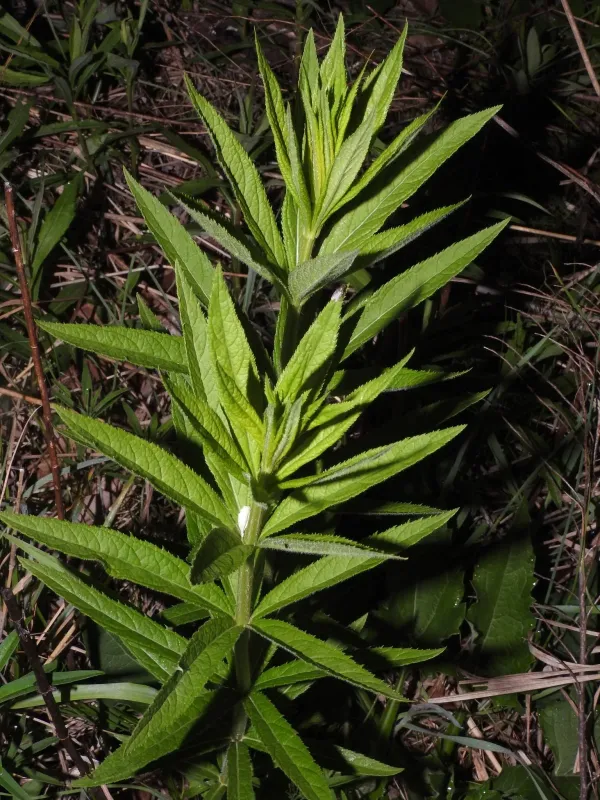
Description
Sowing dates
Culver's root (Veronicastrum virginicum) belongs to the Plantaginaceae family. Seed propagation is a common method, requiring a stratification period of 4 to 6 weeks at temperatures between 0 and 5 °C to overcome embryo dormancy.
Seeds should be sown in a well-draining, sterile substrate. Because they require light for germination, they are pressed into the soil surface and left uncovered, maintaining constant moisture until seedlings appear.
Vegetative propagation via root division is best performed in early spring as growth resumes or in late autumn. This method ensures the preservation of specific cultivar traits and faster plant establishment.
Cuttings can also be taken from soft, non-flowering shoots in late spring. These are rooted in a propagation bed with high humidity and controlled light exposure until a strong root system is developed.
Proper spacing is essential; plants should be spaced at least 60-80 cm apart to ensure sufficient air circulation, which is critical for reducing the risk of fungal infections in dense plantings.
Growing requirements
This species thrives in full sun but tolerates partial shade, especially in hotter climates where protection from direct afternoon sun can prevent leaf scorch and soil drying.
The ideal soil is rich, moist, and loamy with a neutral to slightly acidic pH. The plant's high water requirements mean it performs best in sites with consistent soil moisture throughout the growing season.
While Culver's root can withstand short periods of high moisture, it requires good drainage to avoid root rot. Improving soil structure with organic matter like compost or leaf mold is recommended before planting.
It is a highly hardy perennial, capable of surviving harsh winters without special protection, making it an excellent choice for northern garden landscapes and temperate agriculture.
Fertilization with a balanced slow-release fertilizer in early spring supports vigorous vertical growth and promotes long-lasting, abundant spikes of flowers that attract pollinators.
Main diseases and pests
Veronicastrum virginicum is known for its robustness and natural resistance to most major plant diseases, provided that environmental conditions meet its specific moisture and airflow requirements.
Powdery mildew is the most common issue, appearing during periods of high humidity and poor ventilation. Cultural control, such as proper spacing and cleaning of debris, is the first line of defense.
Pests such as aphids may occasionally infest new growth during early spring. If infestations are significant, the application of horticultural oils or insecticidal soaps is usually effective.
Leaf spots may occur if the foliage remains wet for extended periods. Avoiding overhead irrigation and ensuring the plant has enough space can effectively mitigate this risk.
A consistent maintenance schedule, including monitoring for signs of stress or pests, helps maintain the health of the stand and ensures high ornamental or productive value over the years.
Harvesting
Culver's root is primarily harvested for ornamental use, including landscaping, naturalistic garden design, and as high-quality cut flowers for floral arrangements.
For fresh floral displays, harvest stems when at least half of the tiny individual flowers on the candelabra-like spikes are open to ensure maximum vase life and aesthetic appeal.
When intended for dried arrangements, stems can be harvested after the seeds have matured but before the plant structure loses its integrity, offering a unique architectural form.
Late autumn maintenance involves cutting back the spent foliage to the ground level once the plant goes into dormancy, which simplifies garden cleanup and prepares the plant for the next season.
As a long-lived perennial, Culver's root provides years of consistent performance, making it a sustainable choice for permanent garden borders and managed landscapes requiring minimal annual intervention.