
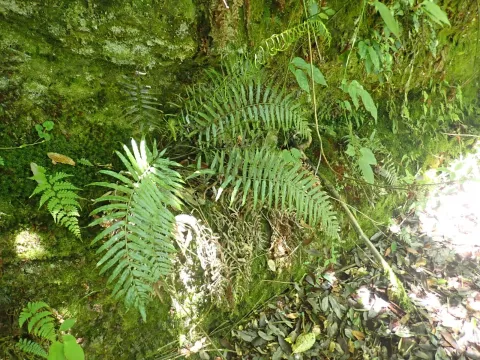
Plagiogyria
Plagiogyria
Plagiogyria is a genus of ferns belonging to the family Plagiogyriaceae. These plants are scientifically recognized for their distinct evolutionary lineage and their unique morphological trait of producing separate, fertile fronds that stand erect above the sterile foliage.
What the section contains


Plagiogyria
The natural distribution of this genus spans across the tropical and subtropical zones of Asia, as well as parts of the Americas. These ferns are typically found in mountainous regions within dense, humid forests, thriving in areas with high atmospheric moisture and filtered light.
To cultivate these ferns successfully, growers must mimic their native forest-floor environment. This requires a well-draining, acidic, and organic-rich substrate, such as a mix of peat moss and leaf mold, which prevents moisture retention from damaging the rhizomes.
Temperature management is critical, as Plagiogyria species prefer cool to temperate conditions and struggle in extreme heat or frost. Consistent humidity levels are essential, often requiring misting or the use of automated systems in greenhouses to ensure the fronds remain healthy.
In terms of usage, these plants are primarily appreciated by botanical enthusiasts and horticulturists for their ornamental value. They are excellent subjects for specialist collections, public conservatory displays, and shade-loving garden designs where their architectural form can be fully appreciated.
The most significant threat to the health of Plagiogyria is the development of fungal infections caused by overly saturated soil. Poor drainage frequently leads to root rot, which can be fatal to these slow-growing ferns if not detected early.
Scale insects represent a common pest threat. These pests attach themselves to the stems and fronds, extracting vital plant nutrients. Their presence often goes unnoticed until the plant shows signs of stunted growth or chlorotic spots on the leaves.
Spider mites are notorious for attacking these ferns, particularly in indoor environments where the air may become too dry. These microscopic pests thrive in low humidity, quickly causing the fronds to lose their luster and eventually turning them brown and brittle.
Slugs and snails can cause severe physical damage, especially when plants are housed outdoors or in poorly sealed greenhouses. They frequently graze on the tender, developing fiddleheads, permanently deforming the foliage for the entire season.
Management strategy focuses on cultural control methods, including proper spacing to ensure adequate airflow and the maintenance of optimal humidity. If pest populations exceed threshold levels, the application of horticultural soaps or specific botanical insecticides is recommended.