
Japanese plagiogyria
Plagiogyria japonica
Description
Growing requirements
Plagiogyria japonica, known as Japanese plagiogyria, belongs to the Plagiogyriaceae family. This distinct fern is native to East Asia, thriving in the damp, shaded forest understories of Japan, China, and Korea.
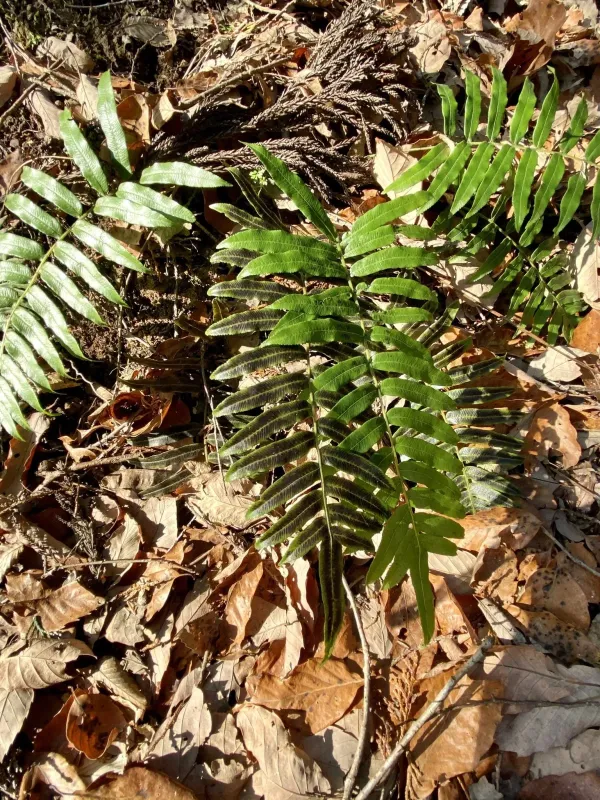
The botanical structure is unique due to the distinct dimorphism between sterile and fertile fronds. The sterile fronds are pinnate and form a dense rosette, while the fertile ones are erect and significantly more slender to aid spore dispersal.
Cultivation requirements focus on mimicking forest conditions: moist, well-draining, humus-rich acidic soil. It is vital to avoid waterlogged conditions, as the root systems are susceptible to decay in heavy, compacted soils.
The plant requires deep to partial shade. Exposure to direct sunlight will quickly scorch the delicate foliage and lead to physiological stress. Providing a sheltered spot with protection from strong, drying winds is essential.
In terms of agricultural management, moisture control is the primary task. The plant appreciates high humidity levels, often performing best in terrariums, greenhouses, or protected damp woodland gardens in suitable climate zones.
Main diseases and pests
The most significant threat to Japanese plagiogyria is root rot caused by poor soil drainage and excessive soil moisture. Overwatering creates anaerobic conditions that prevent the roots from breathing effectively.
Slugs and snails are the most common pests, as they feed on the young, tender foliage and stems. Physical barriers or organic deterrents are recommended to protect the plants from damage during the growing season.
Fungal leaf spot diseases can occur if air circulation is restricted. Maintaining proper spacing and avoiding overhead watering can significantly reduce the incidence of these pathogens in a garden setting.
Spider mites may infest the plant during periods of low humidity, causing yellowing and stippling of the fronds. Regular misting and maintaining optimal humidity levels act as effective preventative measures.
Good cultural practices, including sanitation and careful monitoring for early signs of stress, are necessary for long-term health. Avoid excessive chemical fertilizers, as they can burn the sensitive root system of the fern.