
Plagiogyria assurgens
Plagiogyria assurgens
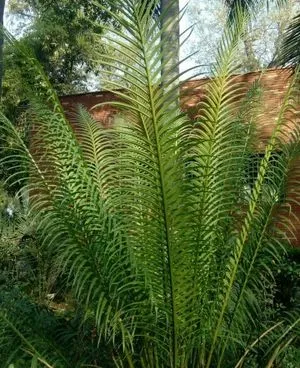
Description
Growing requirements
Plagiogyria assurgens is a fern belonging to the Plagiogyriaceae family, primarily native to East Asian forests. It is noted for its architectural foliage and specific adaptation to humid, shaded environments within subtropical and temperate zones.
To cultivate this species successfully, one must provide a well-draining, acidic, and humus-rich substrate. The soil should resemble the composition of forest leaf mold, allowing roots to breathe while maintaining a consistent level of moisture.
Environmental conditions are paramount; the plant thrives in deep shade and high atmospheric humidity. It is intolerant of direct sunlight, which causes immediate desiccation of the delicate fronds, leading to rapid degradation of the plant's health.
The climate requirements include stable temperatures, avoiding both extreme heat and freezing conditions. In most regions, this plant is best suited for sheltered environments, such as specialized greenhouses or climate-controlled interior gardens.
Maintenance involves regular irrigation with soft water to prevent the accumulation of minerals in the soil. Proper site selection in a garden setting should mimic the conditions of the lower forest canopy where sunlight is naturally filtered.
Main diseases and pests
Common plant diseases include root rot, typically caused by waterlogged substrates or poor aeration. Maintaining a drainage layer and ensuring that the soil does not become compacted is essential for preventing these fungal pathogens.
Pests such as spider mites are a major threat, particularly in low-humidity environments. They cluster on the undersides of leaves, causing chlorosis and a dusty appearance that ruins the visual quality of the fern.
Scale insects can also infest the stems and midribs, draining plant sap and hindering the development of new fronds. Careful monitoring is required to detect early signs of infestation before it spreads significantly.
Leaf spot pathogens can emerge if the fronds remain wet for too long without adequate ventilation. Ensuring gentle airflow around the plant helps keep the foliage dry enough to inhibit the growth of these spores.
Integrated pest management, including cleaning foliage and controlling the microclimate, is the most effective approach. Should heavy infestation occur, targeted organic insecticides are recommended to minimize stress on the sensitive fern.