
Plagiogyria euphlebia
Plagiogyria euphlebia
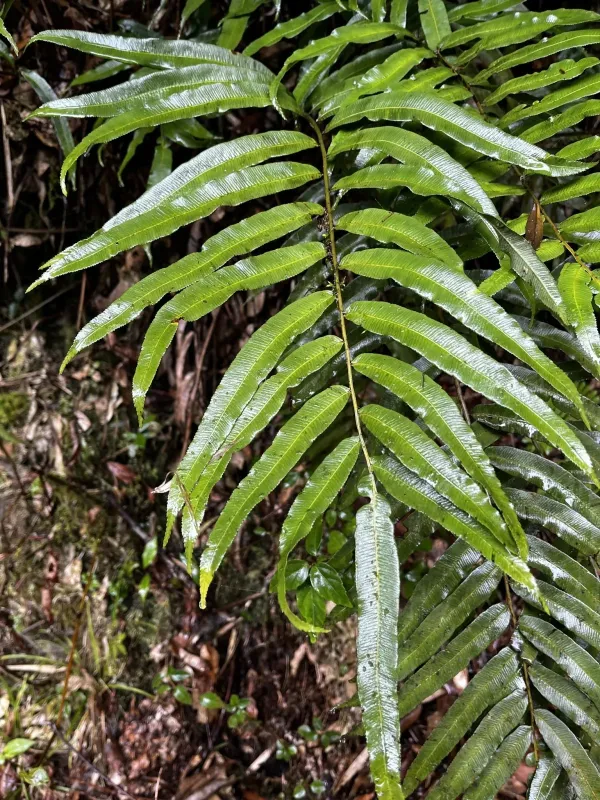
Description
Growing requirements
Plagiogyria euphlebia is a distinct fern species belonging to the Plagiogyriaceae family. Native to the subtropical forests of East Asia, it thrives in shaded environments characterized by high humidity and consistent moisture.
The cultivation of this fern requires a well-drained, porous growing medium enriched with organic matter. Maintaining a slightly acidic to neutral pH level is crucial for the optimal nutrient uptake and root development of the plant.
In terms of climate, the species requires protection from harsh, dry winds and direct sunlight. It is best suited for sheltered garden spots in mild climates or as an indoor container plant where environmental factors can be strictly controlled.
Consistent moisture is the cornerstone of its agricultural management; however, waterlogging must be avoided to prevent root rot. Regular misting or the use of humidifiers is recommended in indoor settings to mimic its natural humid habitat.
Economically, this species is highly valued for ornamental purposes, particularly in landscaping shade gardens, conservatories, and professional interior design projects where its lush foliage adds significant aesthetic value.
Main diseases and pests
The primary threats to Plagiogyria euphlebia include various root pathogens induced by waterlogged soil conditions. Proper drainage and soil aeration are essential preventive measures to maintain the health of the rhizome system.
Common horticultural pests such as spider mites, scale insects, and mealybugs can infest the fronds, especially in environments with inadequate humidity. Regular monitoring of the foliage underside is vital for early intervention.
Environmental stress, particularly sudden drops in temperature or prolonged drought, can lead to necrosis of the fronds. Maintaining a stable climate is the most effective way to avoid these physiological issues.
To control pests, organic soap-based sprays or specialized systemic insecticides are recommended. Care must be taken to apply treatments uniformly without causing excessive runoff into the growing substrate.
Sanitation practices, such as removing damaged fronds and cleaning containers, play a significant role in preventing the outbreak of mold and other fungal diseases, ensuring the plant thrives in its designated environment.