
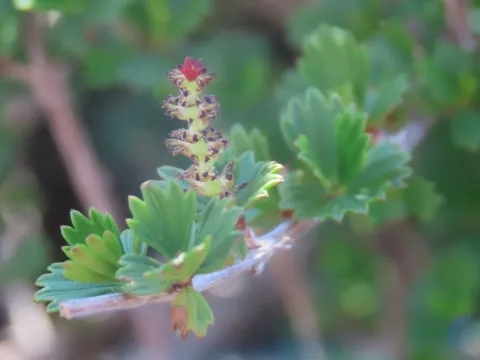
Myrothamnus
Myrothamnus
Myrothamnus is a genus of shrubs that represents the monotypic family Myrothamnaceae. This unique plant is widely known as a "resurrection plant" due to its evolutionary adaptation to survive extreme desiccation, allowing it to rehydrate and recover after periods of total dryness.
What the section contains

Myrothamnus
The plant originates from the arid regions of Southern and Tropical Africa, including Madagascar. In its natural habitat, it thrives on rocky outcrops and nutrient-poor, thin soils, demonstrating a high tolerance for water scarcity and harsh thermal conditions.
Botanically, it is classified as a woody xerophyte. Its resilience is attributed to the presence of high concentrations of polyphenols, such as arbutin and flavonoids, which stabilize its cell membranes during extreme dehydration.
Agricultural requirements for Myrothamnus are highly specialized. Successful cultivation requires a substrate with excellent drainage, mimicking its native rocky environment, combined with high solar radiation and a precise cycle of drought and limited moisture.
The main commercial interest in Myrothamnus lies in the pharmaceutical and cosmetic industries. Extracts from its leaves are highly valued for their potent antioxidant properties, which are used to protect cells from oxidative stress and environmental damage.
Myrothamnus exhibits a high level of natural resistance to standard agricultural pests. The chemical composition of its tissues, rich in secondary metabolites and essential oils, acts as a natural deterrent against most insects and herbivores.
The primary threat in cultivation is the lack of proper drainage, leading to waterlogging. Excessive moisture in the root zone is fatal, as the plant is not evolutionarily prepared to handle prolonged soil saturation, making it prone to root rot.
Fungal pathogens represent the most significant threat to the crop in controlled environments. Infections typically occur when ventilation is insufficient and the humidity levels are kept too high, allowing fungal spores to colonize the root system.
Environmental stress, specifically low light intensity, negatively impacts the plant's metabolic functions. Without adequate sunlight, the plant struggles to maintain its natural protective mechanisms, rendering it susceptible to secondary biotic attacks.
Effective management strategies for Myrothamnus involve strict control of watering frequency and the use of inert, mineral-based growing media. Monitoring for signs of basal rot is crucial for maintaining a healthy crop throughout its growth cycle.