
Resurrection plant
Myrothamnus flabellifolius
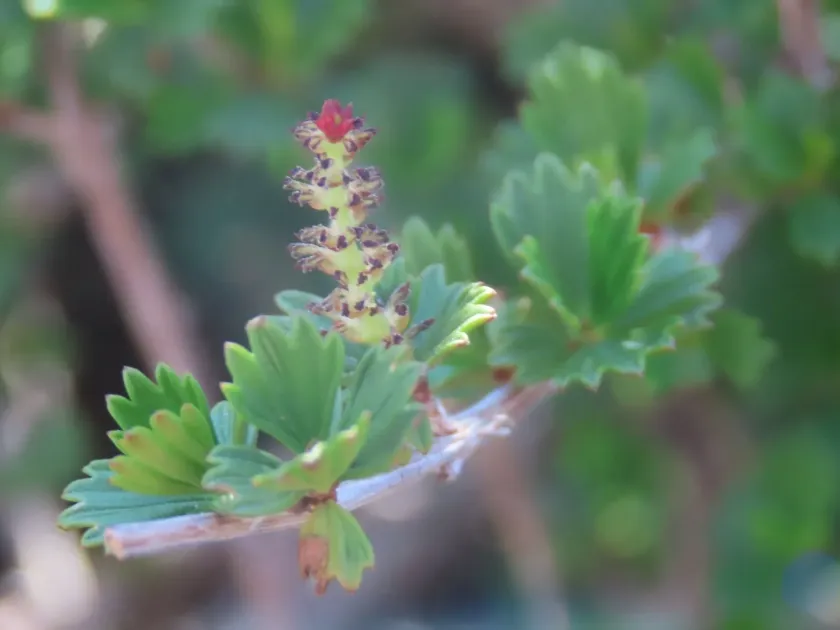
Description
Growing requirements
Myrothamnus flabellifolius, commonly known as the resurrection plant, is a unique shrub belonging to the Myrothamnaceae family. It is native to the arid and rocky mountainous regions of Southern Africa, where it has evolved to survive extreme desiccation.
The plant is anatomically specialized as a poikilohydric species. During prolonged drought, its tissues lose almost all water, entering a dormant state. Remarkably, it can rehydrate and resume metabolic activity within hours of water exposure, a trait of significant scientific interest.
Agricultural cultivation requires a specific rocky substrate that mimics its natural habitat. The soil must provide exceptional drainage, as the roots are highly sensitive to waterlogging and conventional organic-rich soils can lead to rapid decay.
Climatic requirements focus on high solar radiation and a distinct diurnal temperature range. The plant thrives in well-ventilated environments where humidity levels remain low for most of the day, preventing excessive fungal moisture stress.
Commercially, Myrothamnus flabellifolius is harvested for its polyphenolic compounds. These antioxidants are highly valued in the global skincare and pharmaceutical industries for their protective properties against cellular oxidative stress.
Main diseases and pests
One of the key advantages of this crop is its natural resistance to common agricultural pests. The presence of dense aromatic oils and secondary metabolites makes it unpalatable for most herbivores and insects.
The primary threat to health in a controlled environment is root rot caused by improper irrigation. Over-watering creates an anaerobic environment in the root zone, which is lethal for this drought-adapted shrub.
In humid or stagnant air conditions, the plant may become susceptible to certain types of mold or mildew. Maintaining excellent airflow is essential to prevent these localized pathogen outbreaks.
Competition from fast-growing weeds during the initial establishment phase is a major challenge for farmers, as the plant grows very slowly and cannot compete for resources without intervention.
Systematic monitoring of the substrate moisture levels and the application of sterile growing media are critical components of a successful integrated pest and disease management strategy for this species.