
Virola sebifera
Virola sebifera
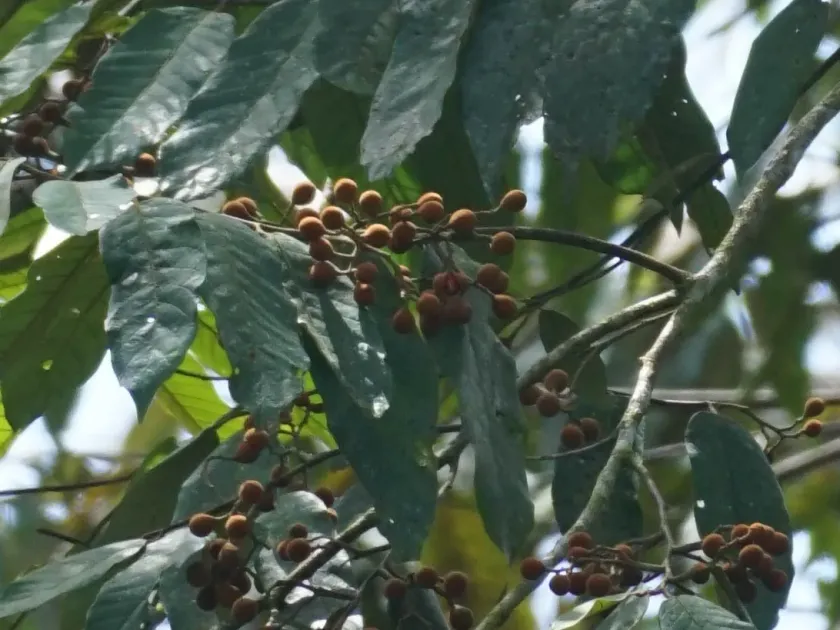
Description
Growing requirements
Virola sebifera is a perennial evergreen tree belonging to the Myristicaceae family. It is natively found in the tropical regions of Central and South America, where it thrives in lush rainforest environments characterized by high precipitation and humidity.
The tree typically grows in alluvial soils that provide both moisture retention and essential drainage. It prefers deep, nutrient-rich substrates, which support its rapid growth and the development of its dense, evergreen foliage throughout the year.
Optimal cultivation requires a tropical climate with consistent temperatures ranging between 22 and 30 degrees Celsius. The species is highly sensitive to frost and cold stress, making its commercial cultivation suitable only in tropical zones.
The plant is highly regarded for its seeds, which contain a significant percentage of fats. These fats are traditionally harvested for the cosmetic industry and for the manufacture of artisanal candles, showing the economic versatility of the tree.
Modern agronomic practices for Virola involve selecting sites that mimic its natural habitat. Proper spacing is essential to ensure that individual trees receive adequate sunlight while maintaining the microclimate necessary for sustained productivity.
Main diseases and pests
Root rot caused by fungal pathogens is the primary threat to the health of Virola sebifera in poorly drained fields. Excess water accumulation creates an ideal environment for soil-borne diseases that can destroy entire plantations.
Wood-boring beetles present a consistent danger to the stem and bark of mature trees. These pests create galleries within the wood, which compromise the structural integrity of the trunk and reduce the economic value of the timber.
Defoliating insects can cause significant setbacks in younger trees, particularly during the rainy season when pest activity is at its peak. Maintaining healthy trees through balanced fertilization can often help the crop withstand moderate attacks.
Competing vegetation and invasive lianas pose a threat to saplings, as they restrict access to light and nutrients. Regular weeding and crown cleaning are fundamental tasks in plantation management.
Implementing a preventive plant protection strategy is crucial. This includes regular field inspections to identify early signs of infestation and using biological control agents to manage pest populations effectively.