
Virola peruviana
Virola peruviana
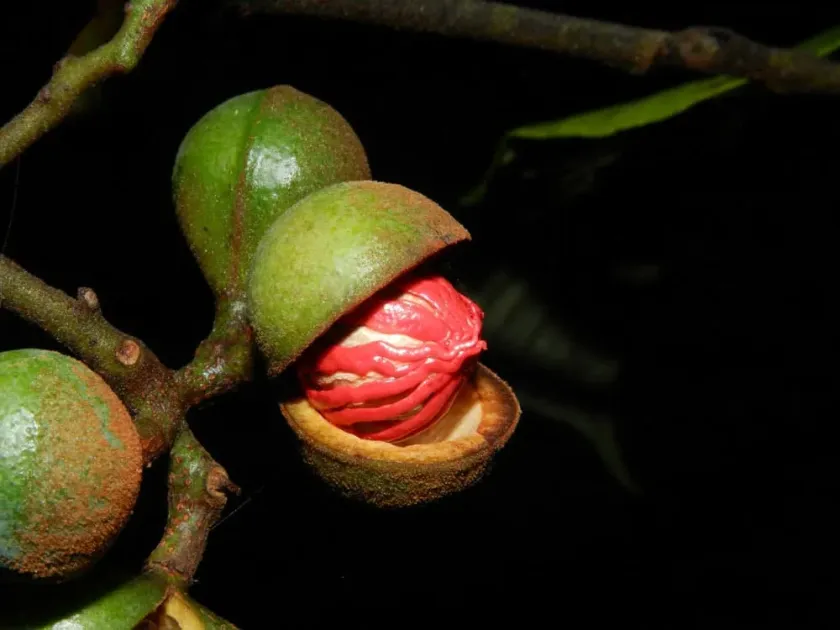
Description
Growing requirements
Virola peruviana is a magnificent tropical tree species belonging to the Myristicaceae family. It is native to the rainforest ecosystems of South America, primarily flourishing in the deep, humid regions of the Amazon basin where rainfall is consistent throughout the year.
The climate requirements for this species are strict, necessitating tropical temperatures between 22 and 28 degrees Celsius. Constant high humidity is essential for the tree's metabolic functions, as the leaves are adapted to environments with high atmospheric moisture content.
Regarding soil preferences, the tree thrives in deep, fertile, and well-drained soils. While it appreciates high organic content, it is highly intolerant of waterlogged areas, which can lead to rapid root rot. Adequate soil aeration is vital for the health of its root system.
Cultivation practices involve selecting appropriate forest sites where the canopy allows for selective light penetration. In nurseries, seedlings require controlled shade to mimic the natural forest floor environment before they are robust enough to be transplanted to final locations.
Economically, Virola peruviana is valued for its lightweight, workable timber used in carpentry and plywood production. Beyond construction, the tree is culturally significant, with indigenous communities utilizing its resin and wood extracts in traditional botanical practices.
Main diseases and pests
The primary threats to Virola peruviana populations include various fungal pathogens that flourish in high-humidity tropical environments. These fungi can invade the vascular system, resulting in significant dieback if the trees are stressed by environmental factors.
Insect pests are another major concern, particularly wood-boring beetles that target the bark and inner layers of young saplings. Infestations can spread quickly, necessitating strict monitoring protocols within sustainable forestry plantations.
Deforestation and habitat fragmentation pose the largest long-term threat to the species, reducing the biodiversity necessary for natural pollination and seed dispersal. Conservation efforts focus on protecting intact forest corridors to ensure healthy reproductive cycles.
Climate change, manifesting as irregular rainfall patterns, can exacerbate the plant's susceptibility to diseases. Extended dry periods followed by intense storms often weaken the natural resilience of the trees, making them more prone to opportunistic infections.
Proactive management includes regular health assessments and selective pruning to remove symptomatic branches. Maintaining diverse forest stands rather than monoculture plantations helps mitigate the risk of large-scale disease outbreaks and enhances natural forest immunity.