
Virola multinervia
Virola multinervia
Description
Growing requirements
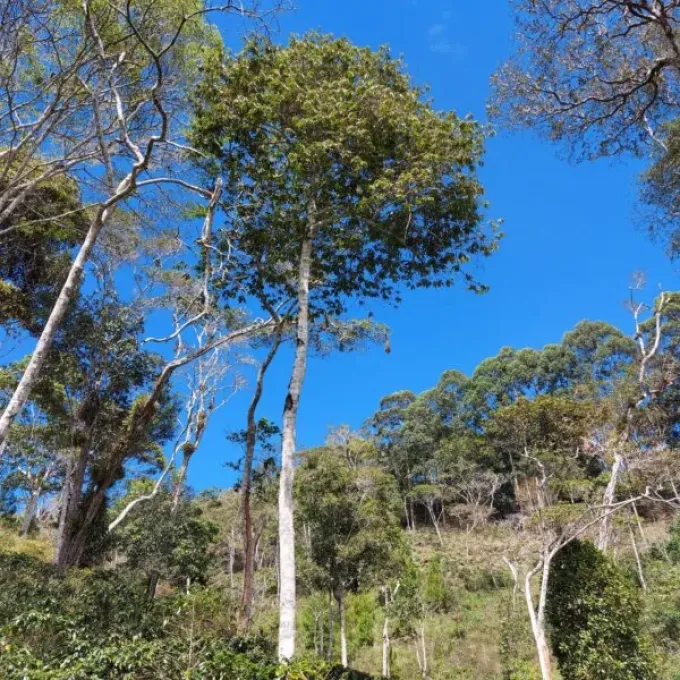
Virola multinervia is a large, evergreen tree species belonging to the Myristicaceae family. It is native to the humid tropical forests of South and Central America, where it occupies specific niches within the forest structure.
The cultivation of this species requires a stable tropical climate characterized by high temperatures, typically ranging from 24°C to 28°C throughout the year. It does not tolerate frost or extreme temperature fluctuations, which can severely stunt growth.
Soil requirements for Virola multinervia include deep, well-draining alluvial soils enriched with organic matter. While the tree thrives in moist conditions, it is sensitive to waterlogging, necessitating proper soil management and drainage in commercial plantations.
In terms of silviculture, young trees require partial shade to develop properly, mimicking their natural environment beneath the canopy. As they mature, they become more tolerant of exposure, though consistent moisture remains essential.
The botanical identity of this species is defined by its distinct leaf venation and robust growth habit. It is highly regarded in sustainable forestry for its structural integrity and role in maintaining local ecosystem stability.
Yield
The primary economic output from Virola multinervia is its high-quality timber. It is extensively utilized in the construction industry, for furniture manufacturing, and in the production of plywood and veneers.
Plantation productivity is measured by the annual increase in timber volume. Effective management practices, including thinning and weed control, are essential to ensure the maximum growth rate of the crop.
Beyond timber, the seeds of the species are known to contain oils with potential for niche industrial use. Integrating secondary forest product harvesting can enhance the overall profitability of the plantation.
Harvesting techniques should prioritize long-term forest health. Sustainable yield management ensures that the land remains productive for future generations by allowing sufficient time for natural regeneration.
Technical assessments of timber stands should be performed periodically to determine the optimal harvest timing, ensuring the wood reaches the desired density and size for its intended commercial applications.
Main diseases and pests
Fungal diseases affecting the root system represent one of the most significant threats to Virola multinervia plantations. These infections are often triggered by poor site drainage and excessively wet conditions.
Pest management is crucial, particularly targeting wood-boring insects that can degrade timber quality. Early detection and integrated pest management strategies are vital to minimize economic losses in forestry operations.
Environmental changes, such as prolonged droughts, impose severe stress on the trees. Maintaining soil moisture through mulching is a recommended agronomic practice to bolster tree resilience during dry periods.
Weed infestation is a common challenge for young stands, as fast-growing invasive species can compete for nutrients and light. Mechanical removal is preferred to avoid potential negative impacts on soil health.
Human-induced deforestation remains a critical concern for the conservation of wild populations. Adopting certified sustainable forestry practices is essential to protect this species and the biodiversity of its native habitat.