
Virola michelii
Virola michelii
Description
Growing requirements
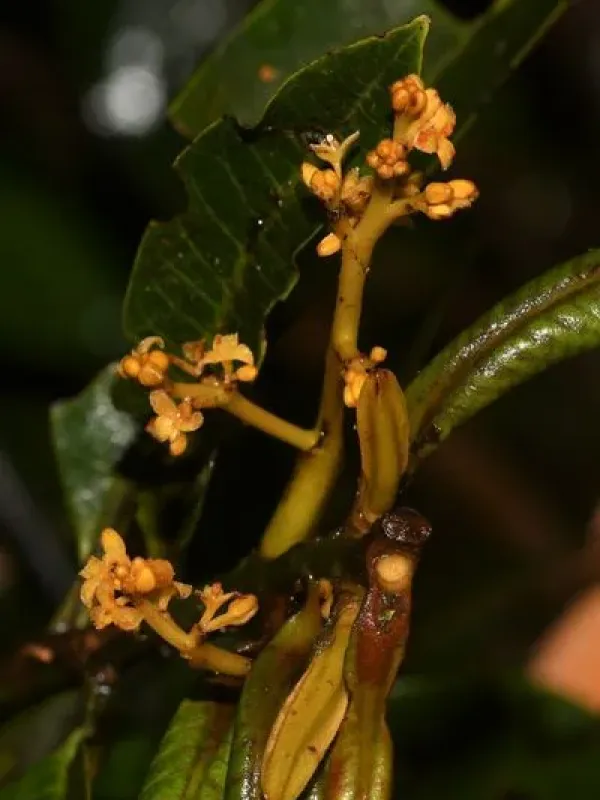
Virola michelii is a majestic evergreen tropical tree belonging to the family Myristicaceae. Native to the humid rainforests of South America, it primarily thrives in the dense ecosystems of the Amazon Basin.
The tree requires a tropical climate characterized by high temperatures and consistent precipitation throughout the year. It prefers deep, nutrient-rich soils that allow for rapid growth while providing adequate drainage.
Botanically, the tree can reach heights of up to 30 meters, featuring leathery, alternate leaves and small, fragrant flowers. Its shallow root system is perfectly adapted to the thin, nutrient-rich topsoil of the rainforest.
Cultivation practices necessitate the provision of shade for young saplings, mimicking their natural habitat under the forest canopy. Proper spacing is essential to ensure that each tree has sufficient access to sunlight and soil nutrients as it matures.
Economic use of Virola michelii is primarily focused on timber production, as the wood is known for its durability and lightness. Furthermore, the seeds are harvested for their oil, which is utilized in various traditional and commercial applications.
Main diseases and pests
The main threats to Virola michelii plantations include fungal infections that target the bark and inner tissues, especially in areas with poor ventilation. Root rot is a significant risk when the soil becomes waterlogged.
Stem-boring insects represent a major pest category, as their larvae can compromise the structural integrity of the wood. Infestations are often identified by the presence of holes or frass on the trunk surface.
Herbivory by local wildlife, particularly in young saplings, can severely stunt growth. Physical protection methods such as protective fencing are commonly employed in early-stage nurseries.
Viral pathogens may cause leaf chlorosis and overall tree decline, often transmitted by common tropical insect vectors. Early detection and the removal of affected branches are crucial to managing these outbreaks.
Extreme environmental stress, such as prolonged drought, makes the trees significantly more susceptible to insect attacks and opportunistic fungal colonizers. Maintaining soil moisture levels is the primary defense strategy against these threats.