
Virola gardneri
Virola gardneri
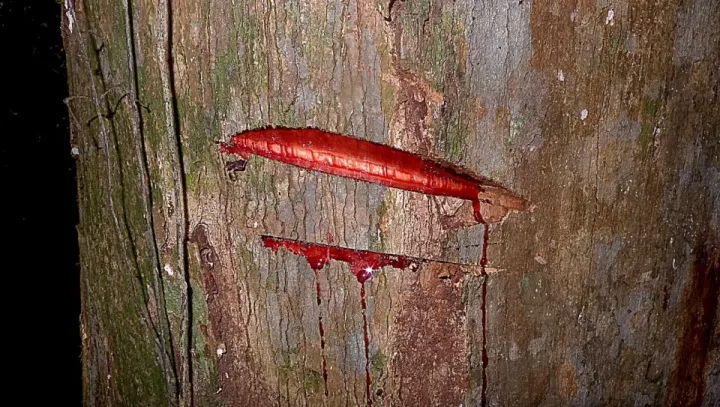
Description
Sowing dates
Virola gardneri, a member of the Myristicaceae family, is primarily a wild-growing tree species, which means industrial propagation requires careful stratification of the seeds.
The optimal time for sowing is immediately after the rainy season when soil temperatures rise and atmospheric humidity remains sufficiently high for germination.
The seeds have a short shelf life, so they must be sown in soil or containers as quickly as possible after harvest, ensuring a planting depth of no more than 2–3 centimeters.
To accelerate germination, seeds are often soaked in growth stimulants, which helps achieve more uniform sprouting under controlled greenhouse conditions.
In its natural habitat, the plant relies on zoochory for dispersal, so during cultivation, it is essential to protect young shoots from direct sunlight and substrate desiccation.
Growing requirements
The species has strict environmental requirements, favoring the moist tropical forests of South America, particularly within the Brazilian territory.
For healthy development, the plant needs highly fertile, well-drained reddish soils rich in organic matter and possessing a slightly acidic pH level.
Virola gardneri is critically sensitive to temperature fluctuations and cannot tolerate even minor frost, preferring a stable thermal range between 22 and 30 degrees Celsius.
Light levels should be moderate; saplings require shading, while mature specimens can tolerate partial direct light within the upper forest canopy.
Constant access to atmospheric moisture and protection from drying winds are crucial factors, as these can cause leaf deformation and stunt overall growth rates.
Yield
Productivity is primarily assessed by timber output, which is valued in local construction and traditional crafts for its specific physical and mechanical properties.
Secondary products include seeds and resin, which contain biologically active alkaloids, limiting their use primarily to ethnobotany and niche pharmaceutical applications.
Annual biomass accumulation depends directly on planting density and moisture availability, reaching its peak when the natural forest microclimate is maintained.
Commercial exploitation of Virola gardneri plantations requires a long-term production cycle, as the trees take several decades to reach harvestable size.
Quantitative yield indicators for fruits vary significantly depending on the activity of pollinating insects and the overall health of the forest ecosystem.
Main diseases and pests
The greatest risk to young seedlings comes from root fungal infections, which occur during periods of waterlogging or poor soil aeration around the root system.
The foliage can be affected by various types of leaf spots caused by specific tropical pathogens, which can significantly reduce the vitality of the tree.
Pests such as wood-boring insects pose a severe threat to mature wood, damaging trunks and rendering the timber unsuitable for high-quality processing.
Competition from vines and other fast-growing epiphytes is a natural biological constraint that can suppress Virola growth in dense forest stands.
Limited genetic diversity in artificial plantations makes the culture vulnerable to rapid pest expansion, necessitating the development of integrated monitoring systems.