
Virola flexuosa
Virola flexuosa
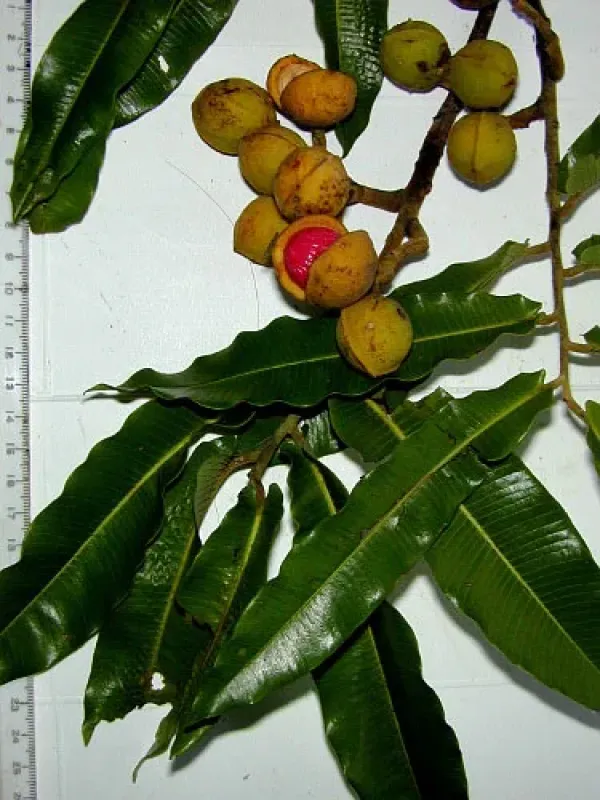
Description
Growing requirements
Virola flexuosa is a notable species within the Myristicaceae family, recognized for its evergreen foliage and tropical growth habits. Native to the humid rainforest regions of South America, this tree is specifically adapted to environments with high rainfall and consistent temperatures.
The cultivation of this species requires deep, fertile, and moist soil types that are rich in organic matter. Proper soil structure is critical, as the roots thrive in damp environments but require adequate drainage to prevent oxygen deprivation in the root zone.
Botanically, Virola flexuosa exhibits a characteristic straight bole and a canopy that matures into a broad, dense crown. The leaves are typically leathery and elliptical, designed to manage water transpiration efficiently in a humid climate with varying levels of solar radiation.
Agricultural management for this species involves ensuring proper spacing during initial plantation establishment to prevent competition for nutrients and sunlight. While the species is hardy once established, it requires protection from direct exposure to strong winds which can damage the canopy.
The primary economic value of Virola flexuosa lies in its timber, which is utilized for furniture manufacturing, interior plywood, and light construction. Sustainable harvesting practices are essential to maintaining populations of this valuable tropical tree species.
Main diseases and pests
The main biological threats include specific fungal pathogens that affect the bark and inner wood, particularly in high-humidity zones. Insect infestations, especially by wood-boring beetles, pose a recurring risk to the structural integrity of both young and mature trees.