
Virola elongata
Virola elongata
Description
Growing requirements
Virola elongata is a prominent tree species belonging to the Myristicaceae family, native to the tropical rainforests of South America. It is a large evergreen tree that typically thrives in primary forest environments.
The geographic range of this species extends throughout the Amazon Basin, covering countries such as Brazil, Colombia, Peru, and Ecuador, where it is found in lowland tropical forest formations.
Virola elongata requires a tropical climate characterized by high temperatures and significant annual rainfall. It does not tolerate frost and grows best in areas with high atmospheric humidity.
The preferred soil type consists of deep, well-drained alluvial substrates that are rich in organic matter. While it prefers moisture, it does not survive in waterlogged or swampy conditions.
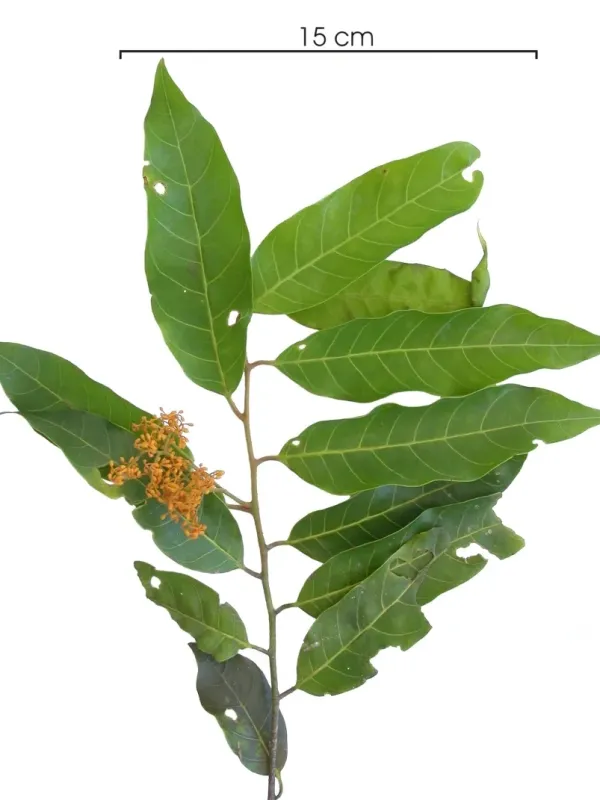
Botanically, the tree is known for its elongated leaves, which give the species its Latin name, and its capacity to reach significant heights, often becoming an important part of the forest canopy.
Yield
The primary agricultural and economic value of Virola elongata lies in its timber, which is utilized for light construction, plywood production, and the manufacture of indoor furniture.
The wood is lightweight, soft, and easy to work with, making it a preferred choice for local artisans and industrial wood-processing facilities within its native range.
Beyond timber, the bark and resin of the tree hold significant ethnobotanical importance. They have been used for centuries by indigenous tribes for medicinal and ceremonial purposes.
Modern pharmacology continues to investigate the chemical composition of the resin, particularly focusing on the presence of psychoactive tryptamine alkaloids.
The potential for controlled cultivation remains a subject of research, as shifting away from wild harvesting toward sustainable plantation management could support both industry and forest conservation.
Main diseases and pests
Habitat loss due to large-scale deforestation in the Amazon rainforest is the most significant threat to the long-term survival of Virola elongata populations.
Pests, particularly wood-boring insects, represent a major challenge for forestry, as they can rapidly degrade the quality of the timber before it is harvested.
Pathogenic fungi often exploit wounds on the bark, especially those caused by improper resin tapping practices, leading to structural decay and decreased tree longevity.
Increased human activity in forest areas leads to over-harvesting, which limits the natural regeneration cycle of the tree and reduces the genetic diversity of local populations.
Environmental changes and climate variability may also influence the success of seedling establishment, further complicating efforts to preserve the species in its natural habitat.