
Virola calophylla
Virola calophylla
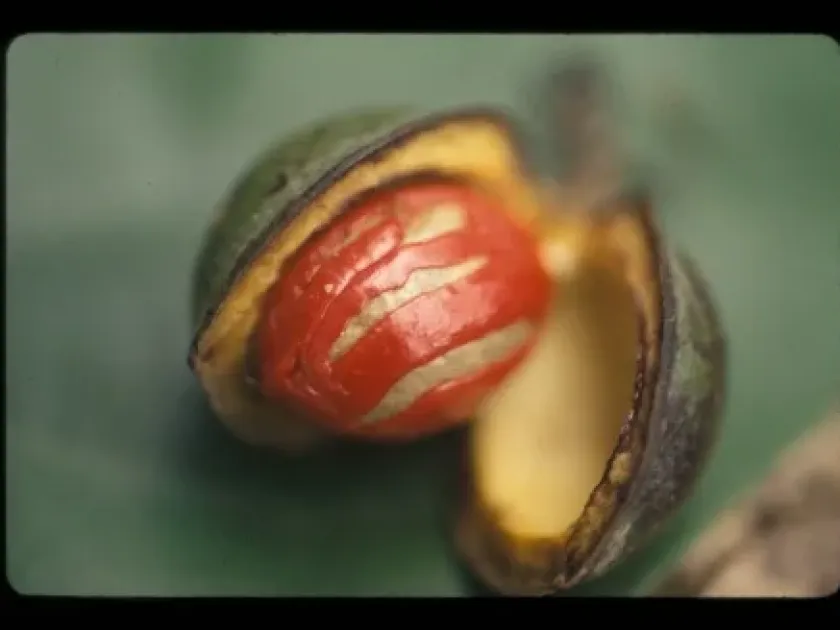
Description
Growing requirements
Virola calophylla is an evergreen tropical tree species that belongs to the Myristicaceae family, widely distributed across the Amazon basin and surrounding regions.
The species requires a tropical climate characterized by consistently high humidity and temperatures throughout the year to maintain its active physiological processes.
In terms of soil preferences, the tree thrives in deep, well-drained, and nutrient-rich soils that are typical of undisturbed rainforest environments.
It is an essential component of the forest canopy architecture, requiring specific light conditions and moisture levels to successfully complete its development cycle.
Cultivation attempts are rare, as the plant depends on the complex ecological balance of the tropical rainforest floor and associated soil microorganisms.
Harvesting
The primary economic value of Virola calophylla lies in its timber, which is utilized for light construction, interior finishings, and wood-based panels.
The bark of the tree produces a characteristic reddish sap or resin, which has historical and cultural significance in the indigenous medicine of the Amazon.
Harvesting operations are generally regulated to ensure the long-term sustainability of the species within its natural habitat, avoiding over-exploitation.
Research into the secondary metabolites found in the plant suggests potential applications in pharmaceutical development, although these remain in early stages.
Effective management of this resource involves monitoring growth rates and protecting seedlings from competitive invasive plant species in the forest understory.