
Virola albidiflora
Virola albidiflora
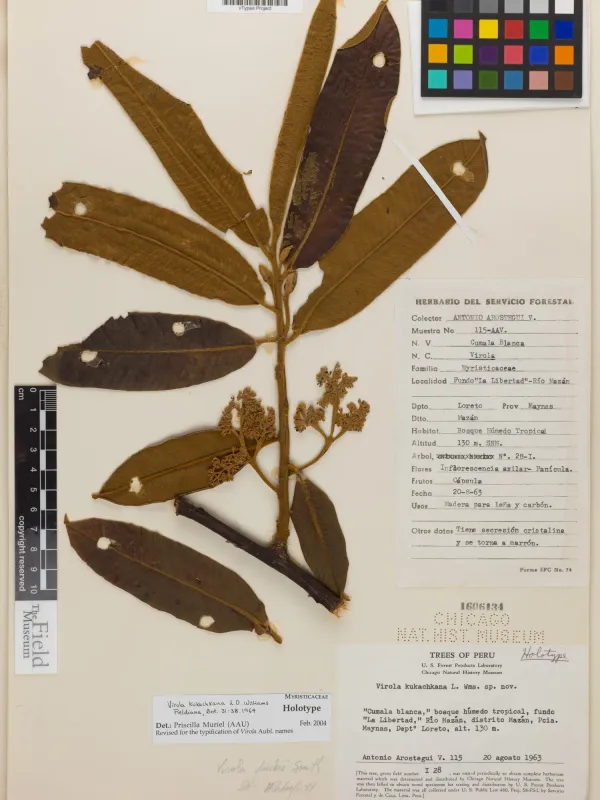
Description
Growing requirements
Virola albidiflora is a prominent species within the Myristicaceae family, native to the humid tropical forests of Central and South America. As an evergreen hardwood tree, it plays a critical role in the architectural composition of the rainforest canopy.
The cultivation of this species requires a strictly tropical climate characterized by high annual precipitation and consistent temperatures. It thrives in well-drained, nutrient-rich soils, typically found in alluvial plains and riverine environments where organic matter accumulates.
Botanically, the species exhibits a slow initial growth rate, which is a common survival strategy in competitive understory environments. Mature specimens develop a straight, tall trunk and a symmetrical crown, reflecting their high light requirement for seed production in later years.
From an agricultural management perspective, successful establishment depends on maintaining soil humidity and providing structural shade during the sapling phase. Weed control is essential in early years to prevent nutrient competition for the growing tree.
Economic utility for Virola albidiflora is primarily centered on timber production, as the wood is valued for various local construction purposes. Additionally, the tree is recognized for its phytochemical properties, making it a subject of interest in both traditional ecological knowledge and specialized botanical research.