
Myristica ceylanica
Myristica ceylanica
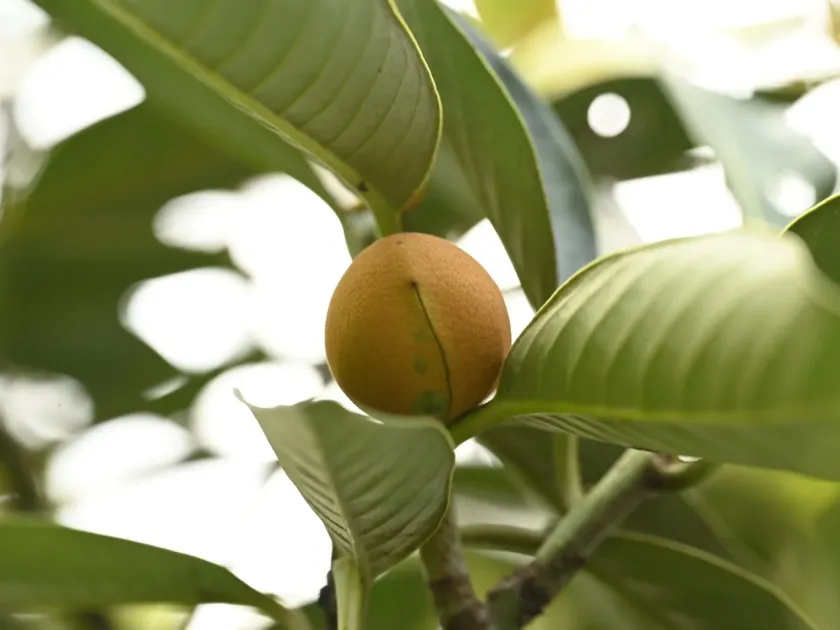
Description
Growing requirements
Myristica ceylanica is a notable member of the Myristicaceae family, native to the tropical forests of Sri Lanka. As a perennial evergreen species, it thrives in environments that mimic its natural habitat, characterized by high temperatures and consistent rainfall throughout the year.
The cultivation of this crop requires an equatorial climate where seasonal variations are minimal. The tree performs best in regions where the humidity remains high, which facilitates the optimal metabolic processes necessary for the development of its aromatic seeds.
Soil requirements focus on fertility and structure; the plant prefers well-drained, deep, and nutrient-rich soils. Waterlogged ground must be avoided at all costs, as the root system of Myristica ceylanica is highly sensitive to hypoxia and water-induced fungal proliferation.
Agricultural management includes site selection that provides protection against strong winds, which can damage the canopy. Proper spacing is crucial to ensure adequate airflow and sunlight penetration, which helps in maintaining the health and vigor of individual trees within the plantation.
The economic utility of the crop lies primarily in its seeds and fruit arils, which are harvested for their rich essential oil content. These components are highly valued in the global spice, cosmetic, and pharmaceutical markets for their distinct chemical properties.
Main diseases and pests
Fungal diseases represent the most significant threat to Myristica ceylanica orchards. High humidity levels combined with dense canopy structures often create a favorable environment for pathogens such as Phytophthora, which can cause severe root and stem necrosis.
Pests, particularly various species of scale insects and mealybugs, are frequent offenders that infest branches and leaves. By sap-feeding, these insects weaken the tree and serve as vectors for secondary infections, necessitating careful monitoring and intervention.
To mitigate these risks, farmers practice regular pruning to increase air circulation and reduce the humidity trapped within the crown. This simple yet effective physical management is a cornerstone of sustainable production for this specific spice tree.
Root-knot nematodes can also pose a serious threat to younger trees planted in infested soils. Management strategies include soil solarization or the application of organic amendments to promote beneficial microbial activity that antagonizes the nematode populations.
Developing a balanced disease management program is vital for the longevity of the orchard. By integrating cultural practices with targeted organic controls, growers can maintain high yield standards while protecting the delicate ecological balance of the plantation.