
Montinia
Montinia
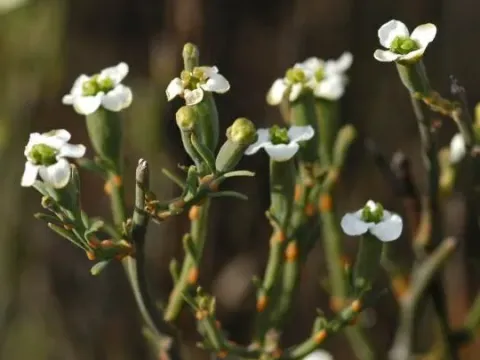
Montinia is a genus of shrubs belonging to the family Montiniaceae. Native to the southern regions of Africa, these plants are highly specialized to thrive in arid and rocky environments where water retention is vital for survival.
What the section contains

Montinia
The plant is categorized as a dioecious succulent shrub. Its primary botanical feature is the presence of leathery, drought-resistant foliage, which allows the species to maintain physiological processes even during prolonged periods of drought.
Successful cultivation of Montinia requires well-drained, sandy, or rocky soil types. Proper drainage is the most critical factor, as the roots are highly susceptible to rot if exposed to standing water for extended periods.
In terms of climate, Montinia thrives in subtropical environments with high light intensity. It is not frost-hardy, meaning it requires protection or greenhouse conditions in regions experiencing significant winter cooling.
Agronomic management of this crop involves mimicking its natural habitat. This includes providing high light levels, minimal but precise irrigation, and avoiding heavy, clay-rich soils that restrict root aeration.
The primary threat to Montinia in a cultivation setting is overwatering, which leads to root and crown rot. Since the plant is adapted to arid conditions, any moisture imbalance acts as a severe stressor, inviting fungal pathogens.
Pest pressures primarily include sap-sucking insects like mealybugs and spider mites. These pests thrive in warm, dry environments and can quickly infest the succulent stems, leading to stunted growth and leaf drop.
Bacterial infections can also pose a risk if the plant suffers mechanical damage. Once the succulent tissue is compromised, pathogens can enter easily, causing localized necrosis or tissue collapse within the shrub.
Preventive care is centered on maintaining an appropriate balance of airflow and dryness. Avoiding overhead watering is crucial to prevent moisture from settling in the junctions of the leaves, which can harbor disease.
Integrated pest management should prioritize cultural controls such as quarantine for new specimens and physical removal of early-stage infestations to minimize the need for heavy chemical intervention.