
Regnellidium
Regnellidium
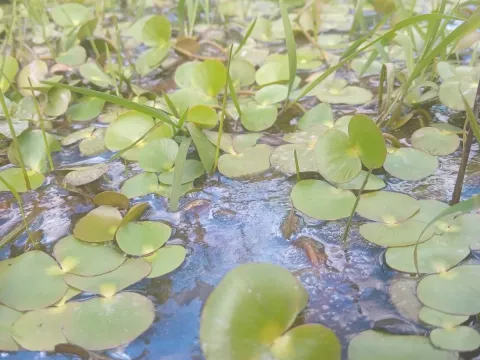
Regnellidium (Regnellidium diphyllum) is a unique species of water fern belonging to the family Marsileaceae. Unlike many other ferns, this species has a specific leaf structure resembling a clover, consisting of two distinct leaflets.
What the section contains

Regnellidium
The natural habitat of the plant includes the southern regions of Brazil and parts of Argentina. The culture prefers moist, marshy areas, pond banks, or shallow waters, where the water level allows the plant to develop both submerged and floating foliage.
For successful cultivation, it is necessary to maintain a stable temperature range between 20 and 28 degrees Celsius. The plant is extremely sensitive to sudden temperature fluctuations, which can lead to stunted root system development and chlorosis of the leaf blades.
Particular attention should be paid to the substrate. The culture requires nutrient-rich, silty, or peaty soil with a neutral to slightly acidic pH. High light intensity is essential, though direct, harsh sunlight during the summer months should be avoided to prevent tissue damage.
In terms of agricultural use, this species is primarily utilized in ornamental gardening for landscaping artificial ponds, paludariums, and aquariums. Due to its rare morphology, it is highly valued by collectors and breeders specializing in exotic hydrophytes.
The primary threat to the culture consists of fungal infections that develop during stagnant water conditions or excessive planting density. Among pathogens, those causing rhizome rot are the most frequent issues.
Pests such as snails can consume delicate young leaves, causing significant damage to the plant's aesthetic value. Aphid infestations are also possible when growing the plant in greenhouse conditions with low ambient humidity.
An improper water balance often triggers the growth of blue-green algae around the plant clumps, which compete with the fern for nutrients. Managing this requires constant monitoring and correction of the water's biochemical composition.
The accumulation of excess mineral salts in the soil can lead to leaf chlorosis. Regular partial water changes are a mandatory agronomic practice to maintain the overall health of the vegetative mass.
Disease prevention is based on strict control of water quality and the timely removal of necrotic plant parts. The use of chemical protection agents should be extremely cautious, considering the fern's high sensitivity to pesticides.