
Regnellidium diphyllum
Regnellidium diphyllum
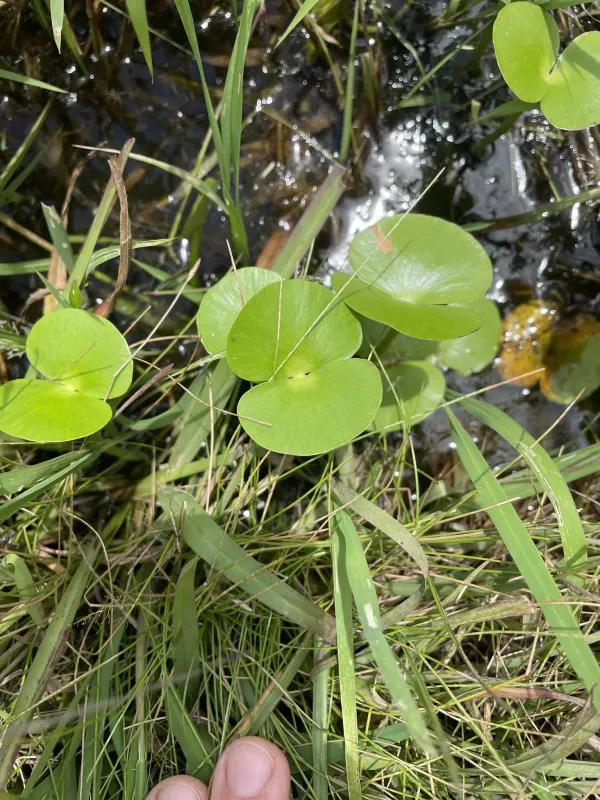
Description
Growing requirements
Regnellidium diphyllum is a unique species of heterosporous aquatic fern, classified within the Marsileaceae family. Native to the southern regions of Brazil, it has adapted to life in marshy, humid, and flooded environments.
Cultivation requires stable aquatic conditions with a focus on nutrient-rich, silty substrates. The plant is best suited for tanks or shallow water bodies where water chemistry can be strictly controlled.
Lighting requirements are specific: the plant thrives under moderate to high light, but it should be protected from intense direct exposure, which may burn its delicate, clover-like leaves.
Botanically, this fern is characterized by its rhizomatous growth habit, spreading horizontally along the soil surface. Its leaves, consisting of two rounded leaflets, are highly adaptive to both submerged and emergent growth forms.
The primary economic and hobbyist use of this fern is in aquascaping and the maintenance of paludariums. It is highly valued for its ability to create dense, textured carpets that improve water quality and provide shelter for aquatic fauna.
Main diseases and pests
The most common threats include water stagnation and improper pH levels, which can inhibit the plant's ability to absorb vital micronutrients from the substrate.
Fungal pathogens and root rot are prevalent when the water circulation is insufficient, leading to rapid decay of the rhizome structure if not addressed promptly.
Pests such as aquatic snails and certain types of larvae may consume the soft tissue of the leaflets, leading to aesthetic damage and increased risk of bacterial infection.
Environmental stress caused by extreme temperature fluctuations can trigger the plant to shed its leaves or enter a dormant phase, slowing down its vegetative propagation.
Effective management involves consistent biological filtration, moderate water movement, and regular monitoring of water parameters to ensure the environment remains pathogen-free.