
Japanese beautyberry
Callicarpa japonica Thunb.
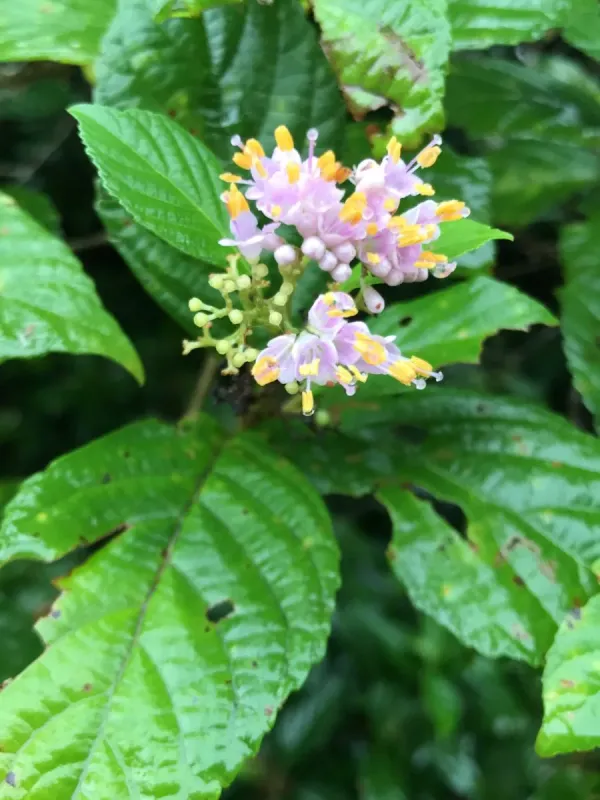
Description
Sowing dates
Propagation of Callicarpa japonica is primarily achieved through seeds or stem cuttings. Seed sowing is ideally done in autumn, allowing seeds to undergo natural stratification in the open ground or cold frames.
If sowing in spring, seeds require a period of cold stratification at temperatures between 1°C and 5°C for at least two to three months to ensure high germination rates.
Stem cuttings are best collected in mid-summer, typically using semi-hardwood growth. These cuttings are placed in a well-drained growing medium, such as a mix of peat and sand.
To encourage root development, growers often treat the base of the cuttings with rooting hormones before planting them in a humid, shaded propagation area.
Transplanting into the permanent garden site should occur in early spring, once the danger of hard frost has passed, ensuring the root system can establish during the warm season.
Growing requirements
The Japanese beautyberry belongs to the Lamiaceae family. It is a deciduous shrub native to East Asia, known for its striking clusters of violet-colored berries that persist into autumn.
The plant thrives in full sun to partial shade. While it can adapt to various conditions, the best berry production is observed when the shrub receives consistent sunlight.
Soil should be fertile, moist, and well-drained. The species prefers a slightly acidic to neutral pH level and benefits from the addition of organic matter to improve soil structure.
Consistent moisture is essential for the plant, especially during the first few years of growth and throughout hot, dry summer months to prevent premature leaf drop.
It is generally hardy in USDA zones 6 through 8. In colder climates, gardeners should provide a thick layer of mulch around the base to protect the roots from extreme freezing temperatures.
Main diseases and pests
The Japanese beautyberry is relatively resistant to serious diseases, but it may occasionally struggle with fungal issues like powdery mildew if air circulation is inadequate.
Pests are generally not a significant problem, though aphids may attack soft new shoots during the spring growth flush, causing leaves to curl or yellow.
Spider mites can also become a nuisance during extended dry periods, particularly in regions with low humidity, by feeding on the undersides of the leaves.
Integrated pest management strategies should be employed, starting with cultural practices like proper pruning to ensure light and air penetrate the dense canopy.
When chemical intervention is required, horticultural oils or appropriate fungicides can manage infestations and infections, helping to maintain the plant's overall health and aesthetic value.