
Bodinier beautyberry
Callicarpa dichotoma (Lour.) K. Koch
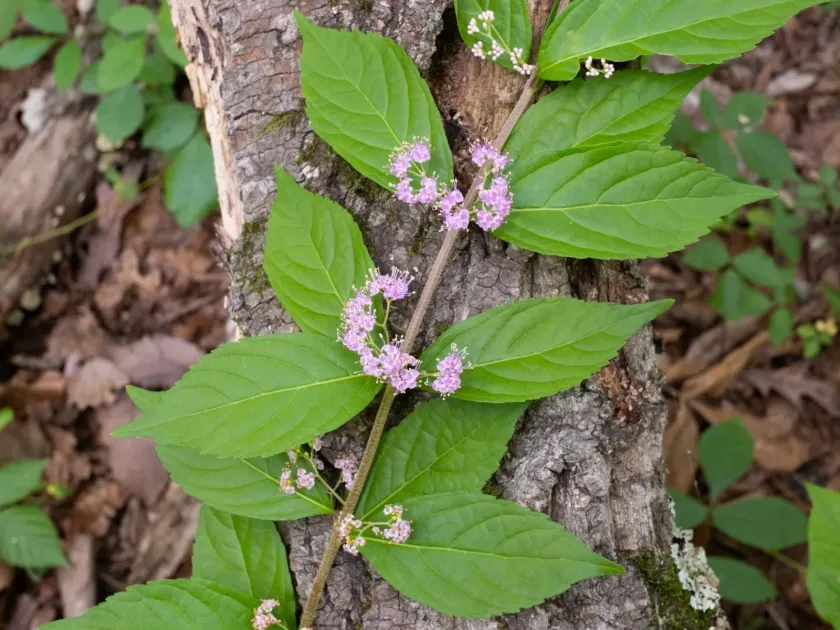
Description
Sowing dates
Seeds of Callicarpa dichotoma should be sown in the autumn directly into prepared beds to allow for natural stratification during winter. If spring sowing is preferred, seeds must be pre-chilled in a cold environment for at least 60 to 90 days to ensure proper germination rates.
When sowing, use a well-draining soil mix and cover the seeds lightly, as they require a bit of moisture and warmth but also good aeration. Consistency in watering is essential during the germination phase to avoid damping-off diseases in young seedlings.
Propagation through semi-hardwood cuttings remains the industry standard for maintaining consistent traits. Cuttings are typically taken in mid-summer and treated with rooting hormones before being placed in a greenhouse with high humidity to encourage root development.
Young plants should be transplanted to their final location during the spring after the danger of frost has passed. This early placement allows the root system to establish itself before the heat of summer, which is critical for the long-term health of the shrub.
Spacing recommendations depend on the desired outcome; for hedge planting, space the shrubs about 3 feet apart. For specimen plants in a mixed border, a distance of at least 5 to 6 feet is recommended to allow the plant to display its natural arching habit.
Growing requirements
Callicarpa dichotoma thrives best in full sun to partial shade conditions. While it is quite adaptable, receiving at least 6 hours of direct sunlight daily will significantly enhance the production of its signature metallic purple berries in the autumn.
The soil should be fertile, moist, and well-drained with a slightly acidic to neutral pH. It is particularly important to avoid heavy, clay-based soils where water can pool, as this species is susceptible to root rot in waterlogged environments.
Climate tolerance is generally robust within USDA zones 6–8. In colder regions, the plant may experience die-back during harsh winters, but it typically recovers well from the roots if the crown is protected with a layer of organic mulch.
Watering requirements are moderate; however, supplemental irrigation is necessary during dry spells, especially during the flowering stage. A stable moisture level ensures that the plant does not drop its foliage prematurely before the berry display.
Fertilizing with a balanced NPK fertilizer in early spring helps support vigorous growth. By late summer, shift to a low-nitrogen fertilizer to help the plant harden off its stems, which improves winter hardiness and reduces susceptibility to frost damage.
Main diseases and pests
This shrub is remarkably resistant to most common garden pests and diseases. However, in poorly ventilated or excessively humid conditions, powdery mildew can occasionally affect the foliage, appearing as a white, dusty layer on leaves.
Aphids might occasionally colonize the soft, new growth in spring. Regular monitoring is advised, and infestations can usually be managed with insecticidal soap or a strong jet of water if caught early enough to prevent significant damage.
Spider mites are a potential threat in dry, hot summers. Keep an eye on the underside of leaves for signs of fine webbing or stippling. If identified, applications of neem oil or horticultural oils can be effective in controlling the population.
Chlorosis, which presents as yellowing leaves with green veins, may occur if the soil pH is too high, leading to iron deficiency. Correcting the soil acidity or applying chelated iron can quickly resolve this issue and restore the foliage to a healthy green.
Routine pruning is the best preventative measure for maintaining the plant's health. By removing dead or crossing branches in the early spring, you ensure adequate airflow and sunlight penetration, which keeps the interior of the plant healthy.
Harvesting
The harvest of Callicarpa dichotoma is primarily for aesthetic and decorative purposes. The berries typically reach their peak vibrant color in late autumn and remain on the arching branches well into the winter months, providing food for local wildlife.
For floral arrangements, stems are cut once the berries have reached their full metallic violet hue. Using sharp, clean bypass pruners ensures a clean cut that will callus over quickly, protecting the shrub from potential infection at the wound site.
If you intend to dry the stems for use in winter displays, harvest them before the first heavy frost. Hang the stems upside down in a cool, dry, and dark area with good air circulation to preserve the color and prevent the berries from shriveling.
Seed harvesting involves collecting the fully ripened berries, macerating them to separate the pulp, and then cleaning the seeds. The seeds should be thoroughly dried and stored in a cool, dark environment until the time for stratification and sowing.
Leaving the fruit on the bush serves an ecological purpose, providing a food source for birds such as thrushes and mockingbirds. This makes the beautyberry an excellent choice for gardeners looking to support biodiversity throughout the winter season.