
Kwangtung beautyberry
Callicarpa kwangtungensis Chun
Description
Growing requirements
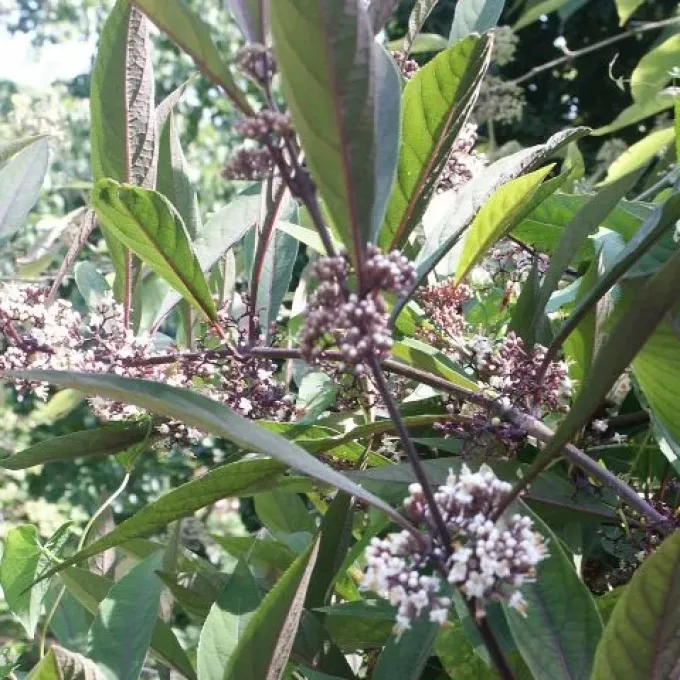
Callicarpa kwangtungensis is a perennial deciduous shrub belonging to the Lamiaceae family. It is recognized for its unique aesthetic, specifically the clusters of vibrant berries that provide visual interest in the landscape during the autumn months.
The species is native to the Guangdong province and surrounding areas in China. It typically thrives in woodland habitats, suggesting a preference for dappled sunlight and stable, moderate environmental conditions throughout the growing cycle.
Cultivation requires well-draining, nutrient-rich soil with a slightly acidic to neutral pH. Proper soil preparation is essential, as the plant does not tolerate waterlogged conditions, which can lead to rapid root decay and plant decline.
Regarding climate, this shrub performs best in mild temperate zones. It needs protection from harsh winter winds and prefers locations where it can receive adequate morning sun but remains shielded from the intense heat of the afternoon sun.
Agronomic practices include consistent moisture management, particularly during the first few years after planting. Mulching the base of the shrub helps maintain soil humidity and provides an additional layer of protection for the root system during winter months.
Main diseases and pests
While relatively robust, Callicarpa kwangtungensis can be susceptible to fungal diseases such as leaf spot or powdery mildew. These issues often arise if the planting site lacks sufficient air circulation or if the foliage remains wet for extended periods.
In terms of pests, aphids and spider mites are the most common adversaries. These insects thrive in dry conditions and can quickly weaken the plant if left unchecked, leading to stunted shoot growth and diminished flowering potential.
Effective management includes the use of systemic fungicides during the early stages of disease symptoms. Sanitation is also critical; removing infected leaves and fallen debris around the base of the shrub prevents the spread of pathogens.
Pest control should involve targeted insecticide applications or horticultural oils when early signs of infestation are noted. Always verify the compatibility of treatments with the plant species to ensure there is no phytotoxic reaction.
Overall maintenance, including thinning the interior of the shrub, is the most effective strategy to minimize disease pressure and ensure the plant remains vigorous and aesthetically pleasing throughout the year.