
Kirkia
Kirkia
Kirkia is a genus of woody plants belonging to the family Kirkiaceae. Historically, these plants were taxonomically associated with the Simaroubaceae family, but modern phylogenetic studies have firmly established their status within their own unique family.
What the section contains

Kirkia
The native distribution of Kirkia spans across various parts of Africa and Madagascar. These plants are primarily found in arid, rocky habitats where they have evolved to thrive in environments characterized by severe seasonal droughts and poor nutritional soil profiles.
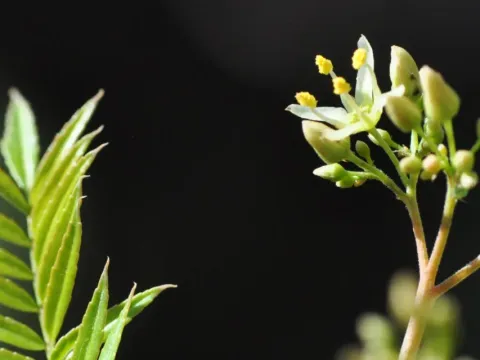
Botanically, Kirkia species are recognized by their pinnate leaves and specialized water-storage tissues. Some species show succulent-like tendencies in their root structures or stems, which allow them to remain dormant and survive during prolonged periods without rainfall.
Regarding cultivation, these trees require full sun exposure to maintain structural integrity and leaf density. They are not suitable for low-light environments, as limited sunlight leads to etiolation and a significant decrease in the plant's overall vitality and growth rate.
The substrate for growing Kirkia must be exceptionally well-drained. A mixture of horticultural sand, grit, and loam is recommended. Watering should be deep but infrequent, ensuring the soil dries out completely between cycles to prevent the development of root issues.
The most critical threat to Kirkia is root rot caused by poor soil drainage and waterlogging. Once the root system is compromised by excess moisture, the plant quickly loses its ability to transport nutrients, leading to rapid decline and eventual mortality.
Pests such as mealybugs can occasionally infest the foliage, particularly in indoor or greenhouse settings with low airflow. Regular monitoring of leaf axils is necessary to catch infestations early, allowing for effective treatment with appropriate systemic insecticides.
Temperature-related stress occurs if the plant is exposed to persistent frost or freezing conditions, especially in its juvenile phase. While some species show moderate cold tolerance, extreme cold can cause cellular damage to the branches and lead to long-term growth stunting.
Fungal pathogens in the substrate are often encouraged by stagnant air and damp, organic-heavy soil. Implementing a regular ventilation schedule and using inorganic substrates significantly reduces the risk of these infections taking hold in the root zone.
Overall, Kirkia is considered a low-maintenance plant once it is established in the correct environment. The combination of high light, dry conditions, and proper drainage makes it highly resilient against most common garden threats and standard plant diseases.