
Wallich's rush
Juncus wallichianus
Description
Growing requirements
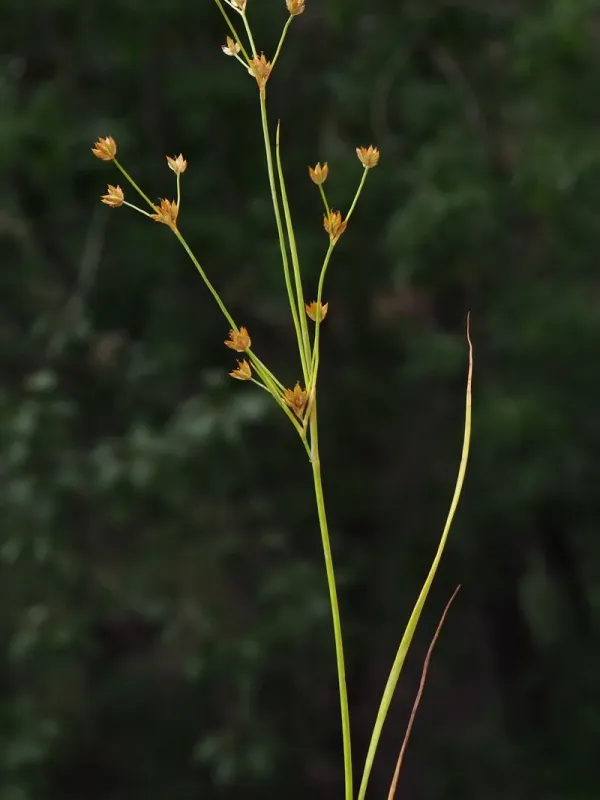
Wallich's rush (Juncus wallichianus) is a perennial herbaceous plant belonging to the Juncaceae family. It is naturally found in the wetland regions of Asia, specifically in meadows, marshes, and along the banks of freshwater bodies, where it thrives in saturated soils.
The plant features slender, upright stems and narrow leaves, adapted for life in waterlogged conditions. Its root system is designed for anchorage in nutrient-rich muck or sandy substrates, often thriving where other crops would suffer from anaerobic conditions.
Successful cultivation of this species requires constant moisture levels throughout the growing season. It performs best in areas with high humidity and consistent access to water, making it suitable for riparian zones and natural water management systems.
The species prefers acidic to neutral soil conditions with a high organic content. While it is hardy in its native range, providing consistent environmental parameters is essential for maximizing biomass production and maintaining healthy plant growth.
Beyond its ecological value, Wallich's rush is increasingly recognized for its role in phytoremediation. Its ability to filter water and stabilize riverbanks makes it an important plant for environmental restoration projects and landscape management.
Main diseases and pests
Fungal pathogens represent the primary threat to Juncus wallichianus, particularly those that thrive in stagnant water environments. Root rot remains the most significant concern, often triggered by poor water circulation or excessive substrate compaction.
Pests such as aphids and small borers can attack the stems and reproductive structures. Infestations are most common during warmer months when plant growth is rapid, potentially reducing the overall quality and structural integrity of the rush.
To mitigate disease risks, practitioners should ensure adequate spacing between plants to promote airflow. Improving water drainage where possible, without fully drying out the substrate, can effectively reduce the incidence of soil-borne pathogens.
Biological pest management is preferred over chemical interventions, especially when the plant is grown near natural waterways. Natural predators and botanical insecticides help maintain a balance without causing ecological harm to the surrounding environment.
Ongoing monitoring is essential for early detection of potential outbreaks. Removing severely infected individuals helps contain the spread of disease and ensures the longevity of the planting, especially in high-density cultivation setups.