
Crepidomanes maximum
Crepidomanes maximum
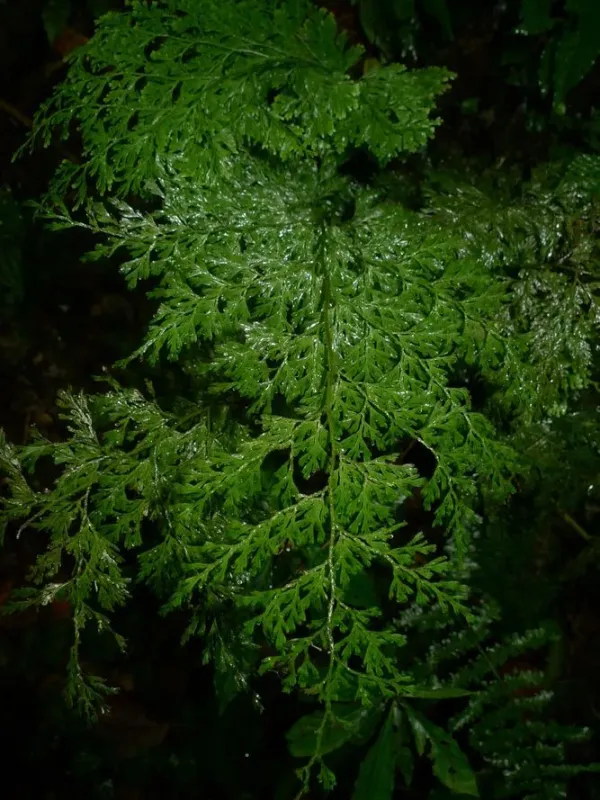
Description
Growing requirements
Crepidomanes maximum belongs to the Hymenophyllaceae family and is a slow-growing, highly prized fern in the aquarium hobby. Its delicate structure makes it a specialized plant that requires attentive care.
Originating from tropical regions, this fern thrives in environments with high humidity and stable conditions. It is typically found growing as an epiphyte in nature, attaching itself to rocks or timber in splash zones.
For cultivation, it requires soft to medium-hard water with low to moderate lighting. High-intensity light is detrimental as it encourages the rapid growth of algae, which competes with the fern for resources.
The substrate should not be nutrient-dense in a way that encourages anaerobic pockets; rather, the plant relies on nutrient uptake through its leaves. It is essential to attach the rhizome to a porous surface like driftwood or volcanic rock.
Temperature must remain consistent, ideally between 22 and 26 degrees Celsius. Stable water parameters are crucial, as significant fluctuations can lead to melting of the delicate fronds.
Main diseases and pests
The primary threat to Crepidomanes maximum is algal infestation, specifically thread algae, which can easily overgrow and suffocate the slow-developing plant matter.
Rhizome rot is a significant danger if the plant is improperly planted. Burying the rhizome in deep substrate prevents oxygen exchange, leading to rapid tissue death and plant loss.
Copper-based fertilizers or medication must be strictly avoided. Ferns are notoriously sensitive to copper, which causes rapid necrosis of the leaves and eventual plant death.
Invertebrates such as aggressive snail species can damage the soft leaves. Regular monitoring and manual removal of pests are recommended to maintain the visual appeal of the culture.
Improper CO2 levels can stunt growth. While it does not require high levels of CO2, a stable, low-dose supply helps the plant maintain healthy cellular structures and vibrant foliage.