
Whipplea modesta
Whipplea modesta
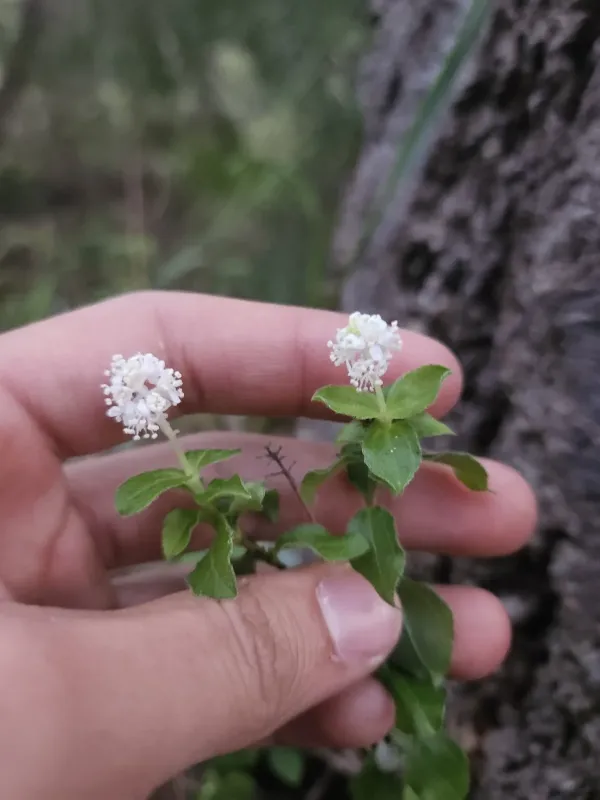
Description
Growing requirements
Whipplea modesta, commonly known as Yerba de Selva, is a perennial subshrub belonging to the Hydrangeaceae family. This creeping plant is valued for its ability to form dense, low-growing mats, making it an excellent candidate for woodland-style groundcover.
The native distribution of this plant is centered in the coastal ranges of California and southern Oregon. It thrives in shaded habitats, typically found in coniferous forests where it benefits from the shelter provided by larger trees.
Cultivation of this species requires well-draining soil rich in organic matter. As a forest-floor species, it prefers slightly acidic to neutral soil pH levels that remain consistently moist without becoming waterlogged.
In terms of climate, Whipplea modesta is adapted to temperate conditions with mild winters and cool summers. It is sensitive to excessive heat and intense direct sunlight, which can cause leaf scorch and dehydration.
Agronomic management focuses on site selection that mimics its natural environment. Providing dappled shade and consistent mulch application helps maintain root moisture and suppresses competition from invasive weeds.
Main diseases and pests
While relatively hardy in its preferred environment, Whipplea modesta can face challenges from fungal pathogens if soil drainage is compromised. Root rot is the most common issue in overly wet conditions.
Pest pressure is usually manageable, but in high-moisture settings, gastropods such as slugs and snails can cause significant feeding damage to the foliage, especially on young, establishing plants.
Spider mites represent a potential threat during warm, dry spells. They thrive in low humidity and can weaken the plant, resulting in chlorosis and reduced vigor if left unmonitored for extended periods.
Powdery mildew may occur if the planting site lacks adequate air circulation or if the foliage remains wet for too long during periods of high humidity. Proper spacing is key to mitigation.
General maintenance practices should include removing dead plant material to minimize the risk of pathogen buildup and ensuring that the irrigation system does not create localized water stagnation.